
Application first
Start from the equipment, working conditions and component function.

INDUSTRIES WE SERVE
Start from your machine: each route lists the cast components, materials and processes used for that equipment.
01 / INDUSTRY DIRECTORY
Each industry page connects applications to typical cast components, suitable processes and an RFQ path.
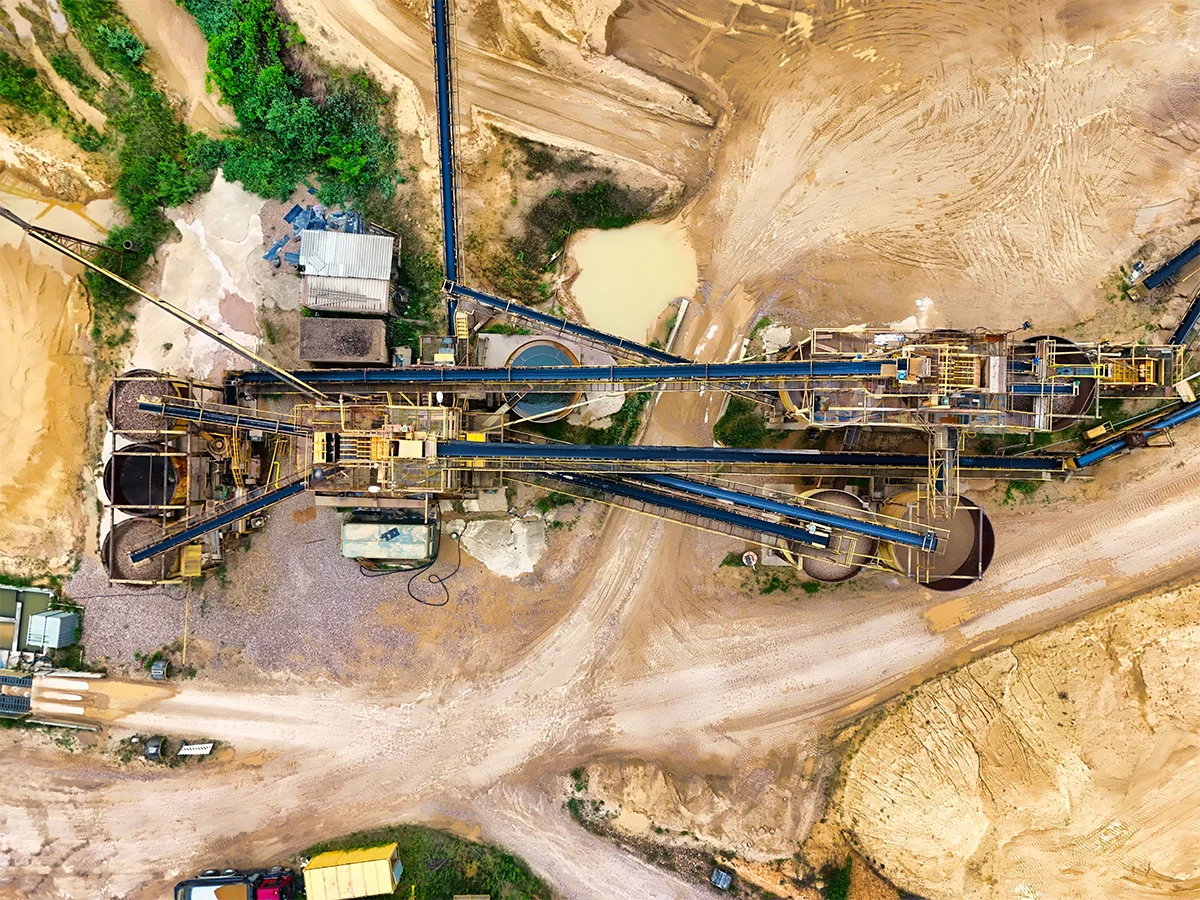
Wear-resistant and heavy-duty cast components for crushers, mills and quarry equipment.
Jaw plates · Crusher liners · HousingsExplore Industry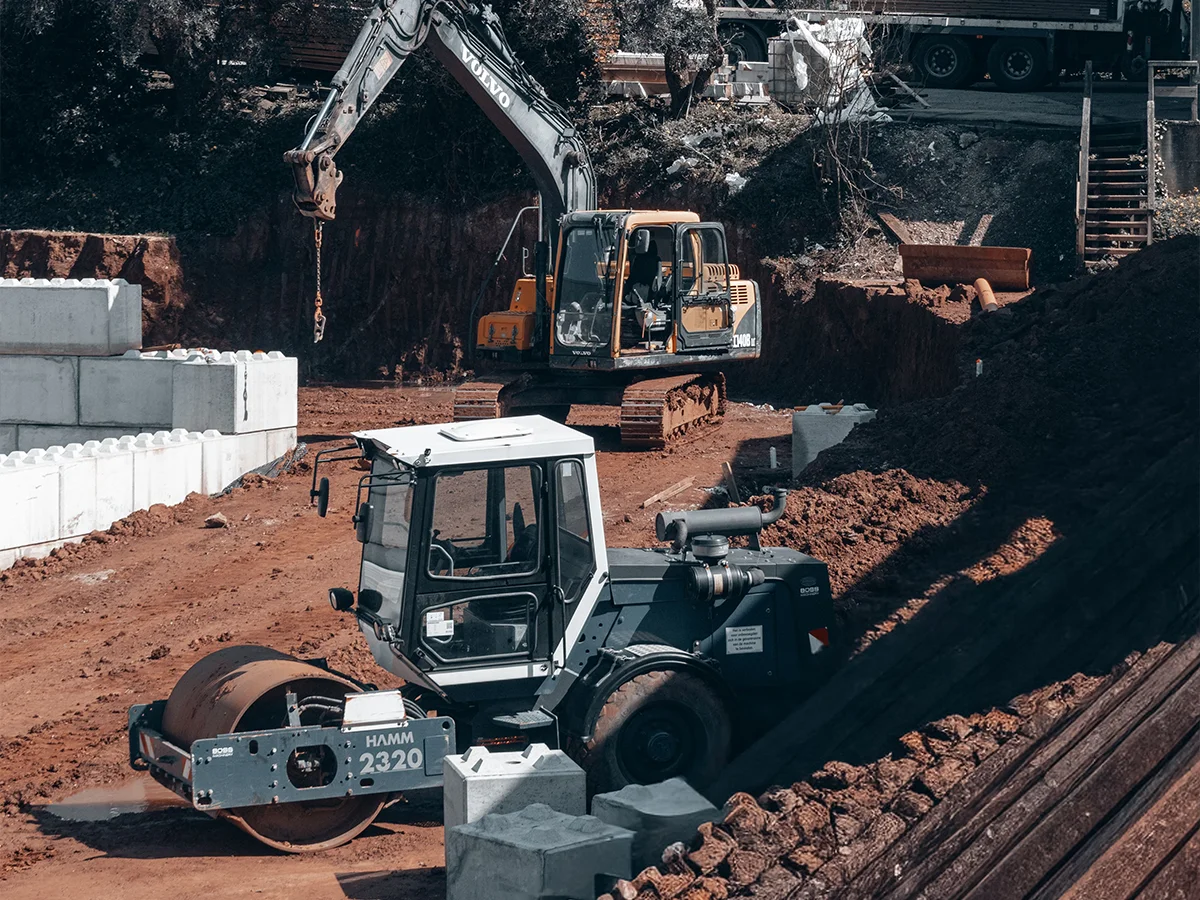
Application-focused castings and wear parts for excavators, loaders, bulldozers and road machinery.
Bucket teeth & adapters · Loader teeth & adapters · Cutting edgesExplore Industry
Cast components for energy equipment, commercial vehicles and rail applications.
Hubs · Axle housings · Rail supportsExplore Industry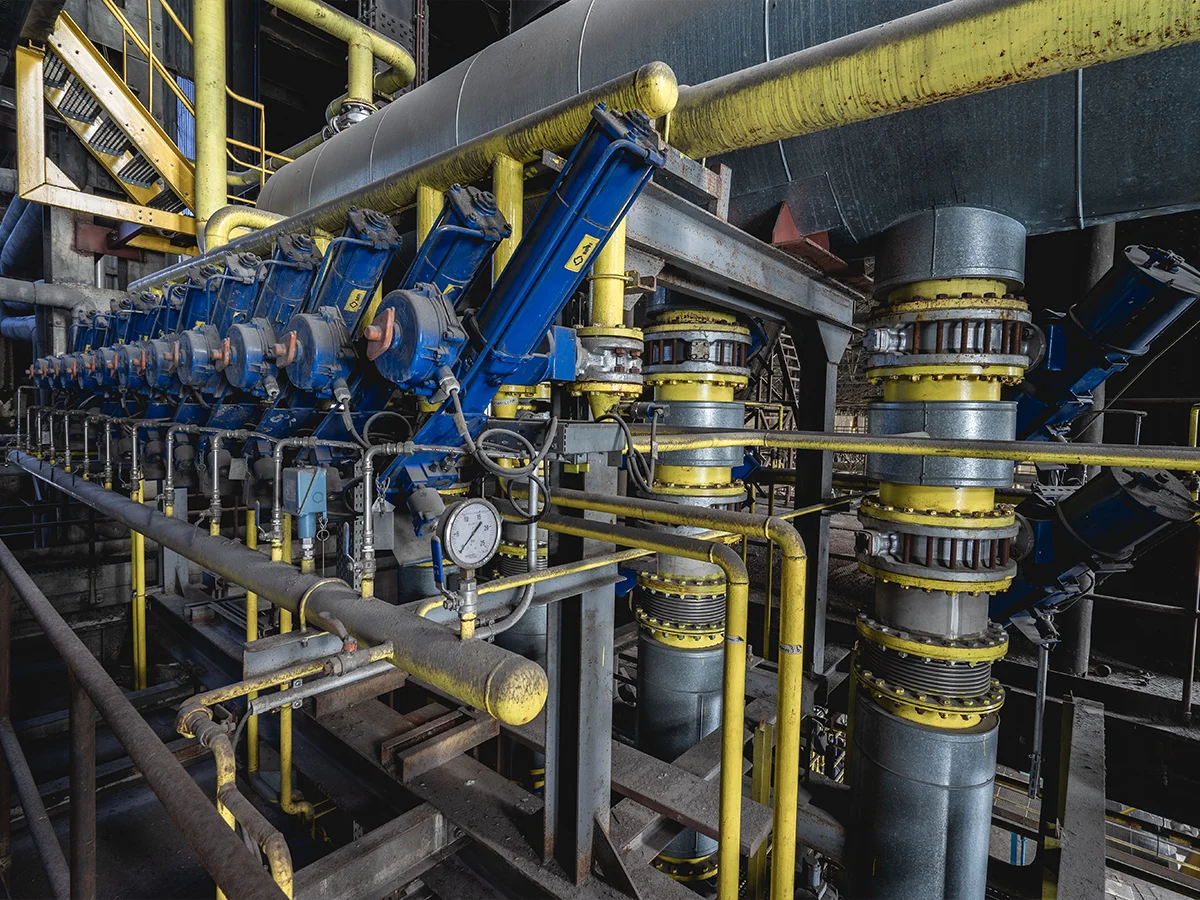
Flow-control castings for pump and valve assemblies, from bodies and housings to sealing surfaces.
Pump bodies · Valve bodies · FlangesExplore Industry02 / HOW AN INDUSTRY PROJECT STARTS
Industry context is the starting point. The project is then narrowed to the component, material, process and inspection requirements.
Start from the equipment, working conditions and component function.
Use industry context to find the cast component category that fits your project.
Compare material, casting process, machining and inspection requirements together.
Send a drawing, sample, model, quantity and application for a focused technical review.
03 / MATERIALS & PROCESSES
04 / FAQ
If your equipment or requirement is not covered here, send the drawing or specification and the closest route is confirmed against the actual project.
Four routes: construction machinery, mining and quarrying, pumps and valves, and energy and transport. Each route sets out the cast components normally made for that equipment, the materials used and the casting processes that fit, so the entry point is your machine rather than a part number.
The four routes are the usual entry points, not a limit. Send the drawing revision or 3D model with the equipment or system the part belongs to and the conditions it works in, and the route is reviewed from the part itself.
Start from the machine or system the part belongs to: each route lists the components cast for that equipment. Where a part sits between two routes, such as a hydraulic housing, the technical review decides from the drawing, the working conditions and the quantity you expect.
All of them change with the working conditions rather than the industry name. Wear parts are driven by abrasion and impact, structural housings by load paths and machining references, and flow-control bodies by the pressure boundary and sealing faces, so material, molding process and inspection scope are selected from the part and confirmed before production.
Yes. The same component families appear across the four routes: bucket teeth, cutting edges and crusher liners; gearbox, axle and machine housings; pump bodies, valve bodies and flanges. The route tells you which components are typical for your equipment, and the part family decides the material and process.
The checkpoints are the same process, but the scope is set by the part: a crusher liner, a pressure-retaining valve body and a machined housing are checked against different criteria. The scope is agreed before production and confirmed in the quotation for your part rather than applied as a single default.
Pick the closest route above, or send the drawing revision or 3D model with the equipment or application the part works in and the quantity you expect. The route is confirmed from that, and material, process and inspection questions are answered together. Anything missing is raised as a technical question rather than an assumption, and initial feedback follows within 12–24 hours.
START WITH YOUR INDUSTRY
Send us your drawing, material requirement, quantity and application. Our team will review the project and recommend a suitable manufacturing route.