
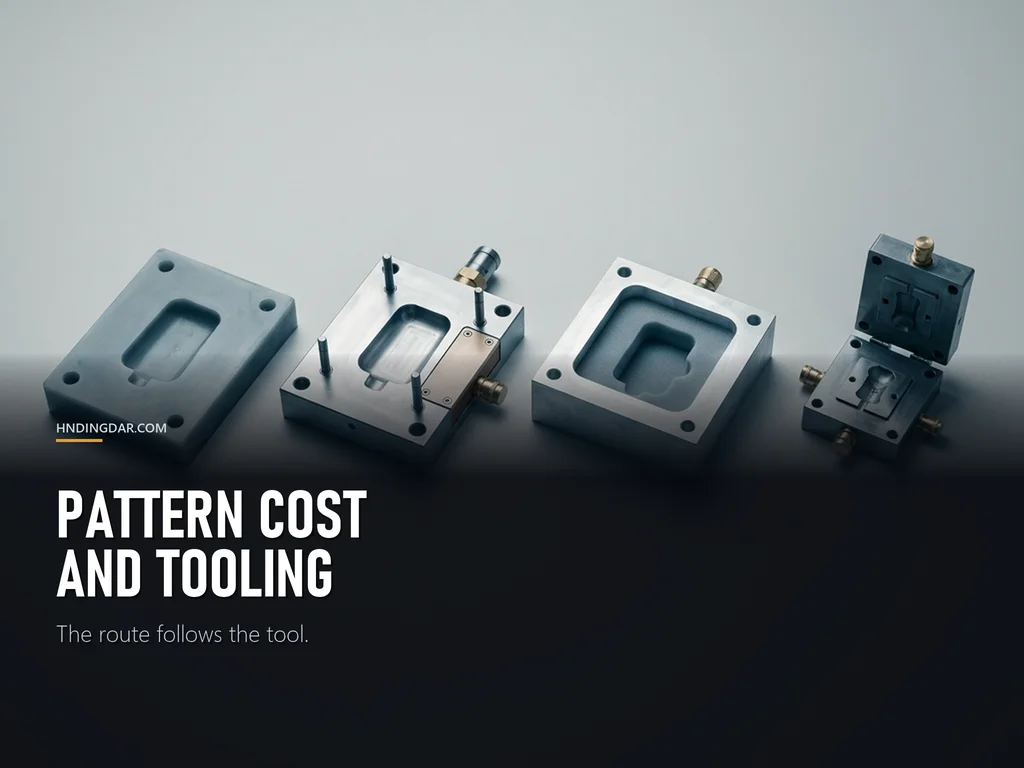
Casting Pattern Cost: How Tooling Drives the Route Decision
What drives casting pattern cost across green sand, shell, lost foam and investment tooling, and how the one-time charge sets the route.
Read articleFOUNDRY EQUIPMENT KNOWLEDGE HUB
Learn how foundry equipment works, how to select machines, and how equipment fits into a complete casting process.
01 / ALL ARTICLES
7 published articles filed under Equipment Guides. Each one is written from project and inspection work, not from a template.
What drives casting pattern cost across green sand, shell, lost foam and investment tooling, and how the one-time charge sets the route.
Read article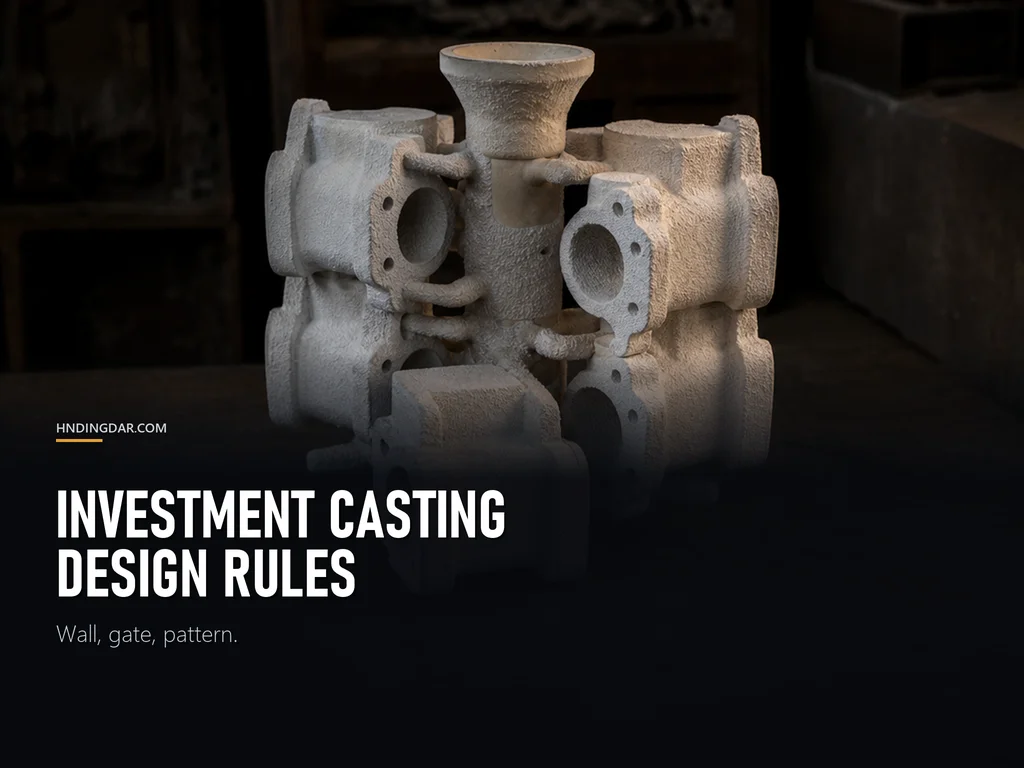
How wall thickness, wax pattern and die limits, gating and cored cavities decide what investment casting can make, and how a first article proves it.
Read article
How quenching, tempering and surface hardening are chosen for cast wear parts, and how to verify hardness, case depth, structure and distortion.
Read article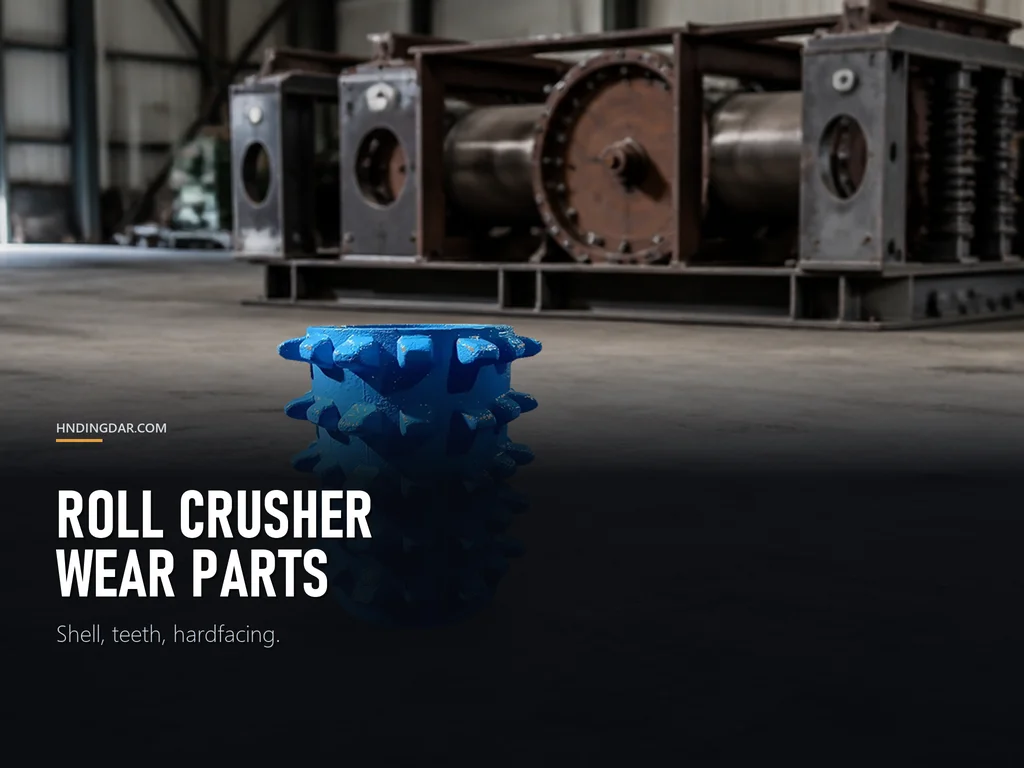
Roll crusher wear parts guide: roll shells, tooth crowns, side plates, failure modes, material choices, hardfacing repair rules and buying checks.
Read article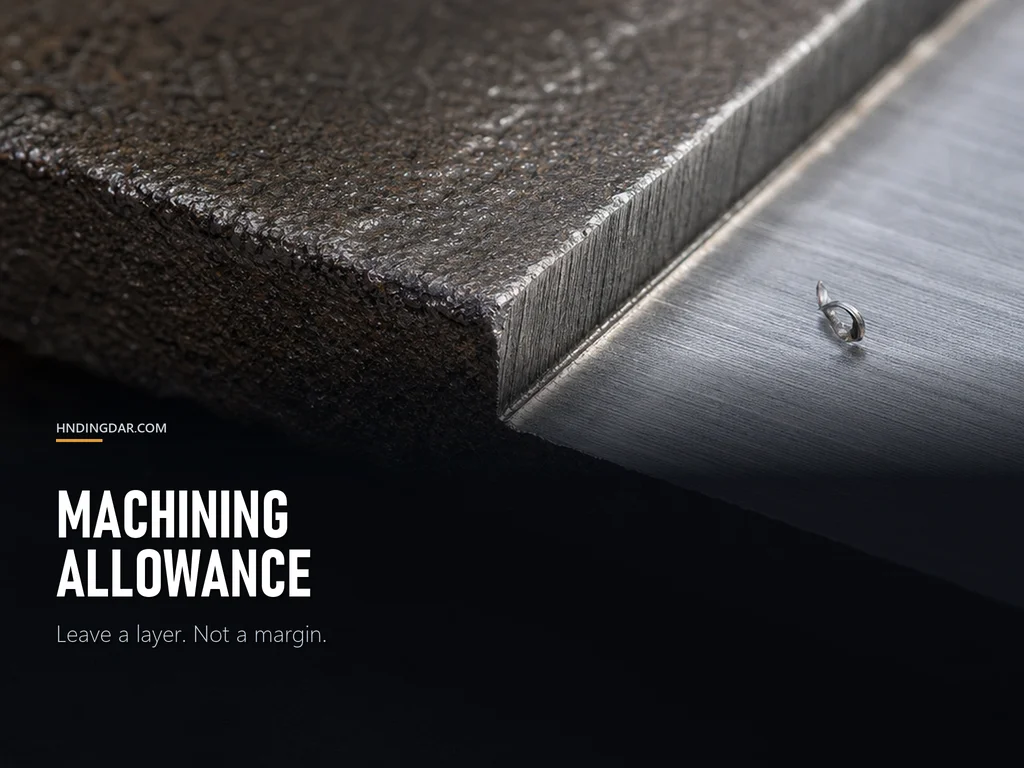
Where to leave machining allowance on castings, what drives the amount, and what too much or too little does to cleanup, wall thickness and porosity.
Read article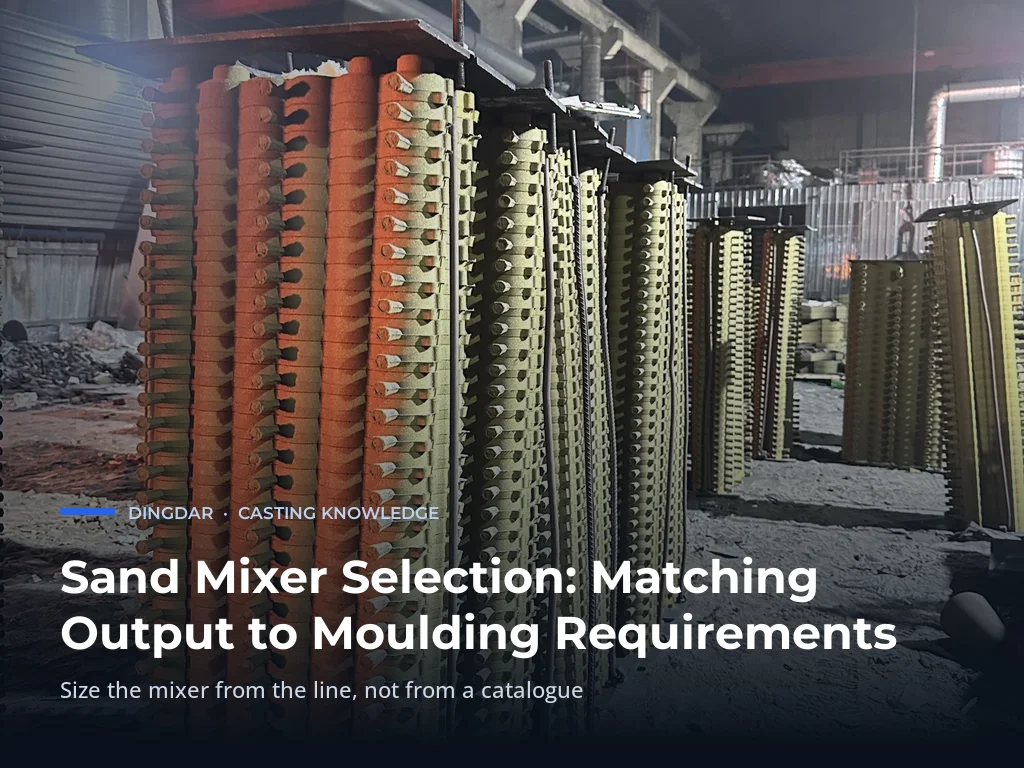
How batch size, cycle time, binder system and moulding rate determine which sand mixer fits a moulding line.
Read article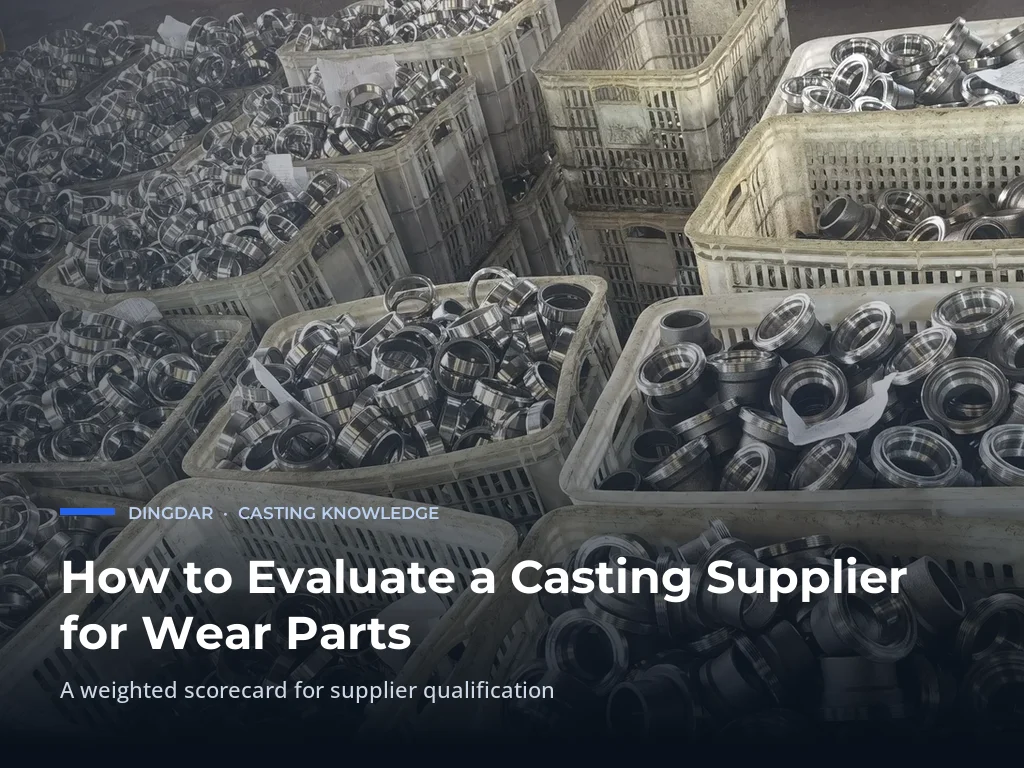
A buyer's framework for evaluating a casting supplier for wear parts: process fit, material control, inspection, certification and documentation.
Read article02 / TOPIC
Organize equipment questions around the stages of a complete production route.
03 / TOPIC
Start with the application, output target, interfaces and available factory conditions before defining equipment scope.
04 / RELATED PAGES
05 / FAQ
The questions engineers and buyers raise most often about the topics in this hub.
Start with the application, the output target, the interfaces to the existing line and the available factory conditions. The selection guides work through those inputs in order, and they are the same ones we ask for in a technical review.
It depends on where the limit is. The stage guides cover the duty of each machine so you can compare it with your own cycle, and the line pages cover how the stages combine before you commit to a scope.
Yes. Interfaces and available factory conditions are part of the selection inputs, and they decide which machine variants and layouts stay open.
Both. The stage pages cover melting, molding, sand preparation, pouring, shakeout and cleaning and material handling; the line pages cover combinations of those stages.
Map the stages in the order material moves and compare the actual cycle at each one. The stage guides describe what each machine is doing so the comparison is like for like.
EQUIPMENT QUESTIONS
Share the output target, part family, existing line layout and factory conditions. We review the equipment scope against the same selection practice these guides are written from.