
Ref BT-003 · DAEWOO
CONSTRUCTION MACHINERY / ROCK TEETH
Excavator Rock Teeth
Heavy-duty rock tooth profiles for abrasive, high-impact digging in quarry, mining and trenching work.
- 52 catalog references
- OEM / custom support
- Multi-brand compatibility
EXCAVATOR ROCK TEETH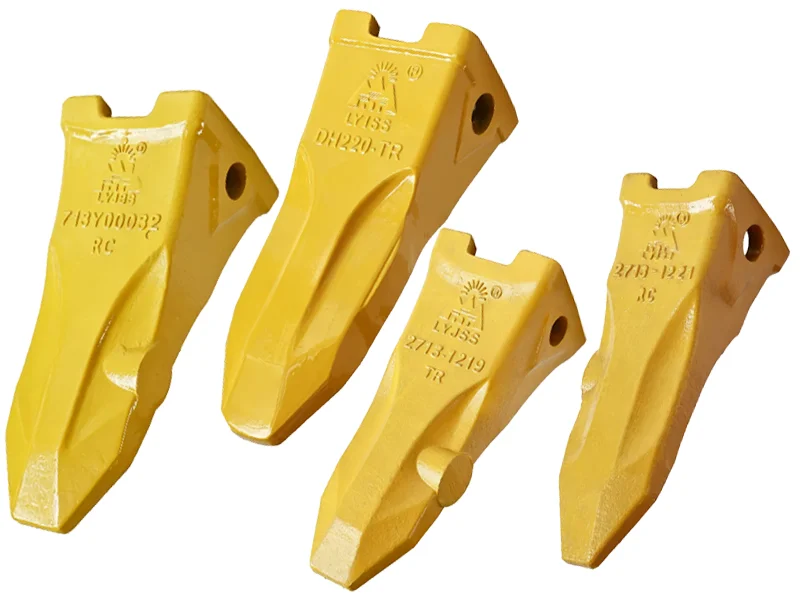 REPRESENTATIVE REFERENCES · 52
OEM / Custom InquiriesMultiple Model ReferencesComponent ReferencesBulk Order Inquiries
CATEGORY OVERVIEW
What Are Rock Teeth?
Rock teeth are the long, reinforced tooth profiles used where material is abrasive, compacted or broken rock. Compared with standard teeth they carry more material per pass and are shaped to keep penetration as the tip wears. This category lists rock, chisel and extended-profile references identified by source model or brand label. Tooth size, connection type and adapter fit must be confirmed by part number, drawing or measurement before ordering. Wear life depends on the material handled, machine size and operating practice. Send the existing reference, the bucket arrangement and the working conditions so the profile and quantity can be reviewed.
- Abrasion resistance
- Penetration as it wears
- Impact strength
- OEM / custom available
BROWSE BY EQUIPMENT BRAND
Browse Products by Equipment Brand
52 product references
Select an equipment brand to narrow the product range.
Showing 24 of 52 products
Ref BT-006 · DAEWOO
DAEWOO 220 Rock Bucket Tooth
Ref BT-007 · DAEWOO
DAEWOO 220 Rock Bucket Tooth · Reference 2
Ref BT-010 · DAEWOO
DAEWOO 300 Rock Bucket Tooth
Ref BT-011 · DAEWOO
DAEWOO 300 Rock Bucket Tooth · Reference 2
Ref BT-013 · DAEWOO
DAEWOO 360 Rock Bucket Tooth
Ref BT-014 · DAEWOO
DAEWOO 360 Rock Bucket Tooth · Reference 2
Ref BT-015 · DAEWOO
DAEWOO 360 Rock Bucket Tooth · Reference 3
Ref BT-017 · DAEWOO
DAEWOO 500 Rock Bucket Tooth
Ref BT-018 · DAEWOO
DAEWOO 500 Rock Bucket Tooth · Reference 2
Ref BT-020 · CAT
CAT 305 Rock Bucket Tooth
Ref BT-021 · CAT
CAT 305 Rock Bucket Tooth · Reference 2
Ref BT-022 · CAT
CAT 307 Rock Bucket Tooth
Ref BT-023 · CAT
CAT 312 Rock Bucket Tooth
Ref BT-024 · CAT
CAT 315 Rock Bucket Tooth
Ref BT-026 · CAT
CAT 320 Rock Bucket Tooth
Ref BT-027 · CAT
CAT 320 Rock Bucket Tooth · Reference 2
Ref BT-030 · CAT
CAT 325 Rock Bucket Tooth
Ref BT-031 · CAT
CAT 325 Rock Bucket Tooth · Reference 2
Ref BT-034 · CAT
CAT 330 Rock Bucket Tooth
Ref BT-035 · CAT
CAT 330 Rock Bucket Tooth · Reference 2
Ref BT-036 · CAT
CAT 330 Rock Bucket Tooth · Reference 3
Ref BT-038 · CAT
CAT 345 Rock Bucket Tooth
Ref BT-039 · CAT
CAT 345 Rock Bucket Tooth · Reference 2
Ref BT-040 · CAT
CAT 365 Rock Bucket Tooth
Ref BT-041 · CAT
CAT 375 Rock Bucket Tooth
Ref BT-051 · Lonking
Lonking 50 Rock Bucket Tooth
Ref BT-054 · Lonking
Lonking 6T Rock Bucket Tooth
Ref BT-057 · Lonking
Lonking 8T Rock Bucket Tooth
Ref BT-060 · SANY
SANY 60 Sharp Rock Bucket Tooth
Ref BT-061 · SANY
SANY 60 Rock Bucket Tooth
Ref BT-063 · SANY
SANY 700 Rock Bucket Tooth
Ref BT-064 · SANY
SANY 700 Rock Bucket Tooth · Reference 2
Ref BT-067 · SANY
SANY 75 Rock Bucket Tooth
Ref BT-068 · SANY
SANY 75 Rock Bucket Tooth · Reference 2
Ref BT-069 · Volvo
Volvo 210 Rock Bucket Tooth · New Reference
Ref BT-072 · Volvo
Volvo 360 Rock Bucket Tooth
Ref BT-073 · Volvo
Volvo 360 Rock Bucket Tooth · Reference 2
Ref BT-074 · Volvo
Volvo 360 Rock Bucket Tooth · New Reference
Ref BT-078 · Volvo
Volvo 480 Rock Bucket Tooth
Ref BT-079 · Volvo
Volvo 480 Rock Bucket Tooth · Reference 2
Ref BT-081 · Komatsu
Komatsu 100 Rock Bucket Tooth
Ref BT-083 · Komatsu
Komatsu 200 Rock Bucket Tooth
Ref BT-084 · Komatsu
Komatsu 200 Extra-pointed Rock Bucket Tooth
Ref BT-085 · Komatsu
Komatsu 200 Rock Bucket Tooth · Reference 2
Ref BT-087 · Komatsu
Komatsu 300 Extended Rock Bucket Tooth
Ref BT-090 · Komatsu
Komatsu 300 Rock Bucket Tooth
Ref BT-091 · Komatsu
Komatsu 300 Rock Bucket Tooth · Reference 2
Ref BT-092 · Komatsu
Komatsu 400 Extended Rock Bucket Tooth
Ref BT-095 · Komatsu
Komatsu 400 Rock Bucket Tooth
Ref BT-097 · Komatsu
Komatsu 60 Rock Bucket Tooth
Ref BT-098 · Komatsu
Komatsu 750 Rock Bucket Tooth
No products found for this brand
We may still be able to supply a compatible replacement.
Request Matching Help →Brand names identify catalog references and do not imply affiliation. Model references alone do not confirm compatibility. Numbered references distinguish source entries and do not establish different geometries.
Ground conditions and tooth profiles
Tooth profile follows the material being dug rather than the machine size alone. A profile that keeps its point in abrasive ground will not break into compacted layers, and a pointed profile that penetrates hard ground quickly loses its edge where the material grinds.
Read the table as the start of the conversation: state the ground, how the current teeth fail and the machine class, and the profile and quantity are reviewed against the listed references.
| Ground being worked | What the teeth see | Profile worth reviewing |
|---|---|---|
| Soft clay, silt, loam | Continuous abrasion with little impact, so the point wears back slowly | Standard profile, which carries the widest wear volume per change |
| Sand, gravel, screened aggregate | Steady abrasion; the tip rounds off instead of breaking | Standard, or a heavy-duty profile where the change interval is too short |
| Compacted hardpan, hard clay, frozen ground | High breakout force is needed and a wide edge will not enter | Pointed or chisel profile, chosen for penetration |
| Weathered rock, broken ground of mixed sizes | Abrasion and impact arrive together | Chisel or heavy-duty rock profile |
| Blasted rock, ore, slag | Repeated impact against an abrasive face | Heavy-duty rock profile with the section matched to the machine class |
A tooth that breaks rather than wears is a different question: breakage points to an impact the profile cannot absorb, or to a nose that lets the tooth move, and both are checked before a heavier profile is quoted.
Chisel teeth
A chisel tooth is the pointed end of the rock range: the tip is narrow and the section behind it carries more metal than a standard tooth, so it enters compacted material and keeps a working edge as it wears back. Both spellings are used in the trade - chisel tooth for one piece, chisel teeth for a set - and they describe the same profile.
Chisel sits between the two extremes. A standard tooth carries the most wear volume and the least penetration; a chisel tooth trades some of that volume for entry into hard, compacted ground; a tiger profile goes further towards penetration with still less material behind the point.
The photographs on this page show form only. Length, tip geometry, pin or retainer type and adapter fit are confirmed from the part number, a drawing or a measurement.
A MODEL IS ONLY THE START
Can’t Find Your Part?
Send the details you have so the part can be identified and reviewed.
Send Your Requirement →- Part number & machine model
- Drawing or mounting dimensions
- Product photographs
- Sample specifications
- Required quantity
COMPATIBLE EQUIPMENT BRANDS
Compatible Equipment Brands
6 brands represented in this category.
 CAT
Rock and chisel tooth references for selected CAT machines.
16 references Komatsu
Rock and chisel tooth references for selected Komatsu machines.
11 references DAEWOO
Rock and chisel tooth references for selected DAEWOO machines.
10 references SANY
Rock and chisel tooth references for selected SANY machines.
6 references Volvo
Rock and chisel tooth references for selected Volvo machines.
6 references Lonking
Rock and chisel tooth references for selected Lonking machines.
3 references
Brand names identify catalog references and do not imply affiliation. Confirm fit by part number and dimensions.
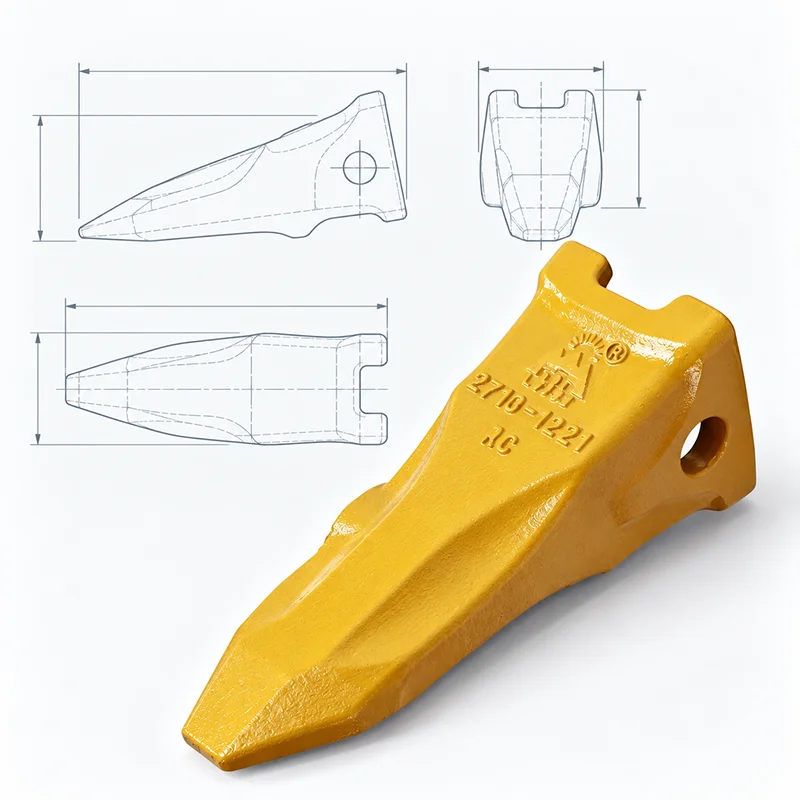 OEM / CUSTOM CASTING · ROCK TOOTH
BEYOND THE CATALOG
OEM & Custom Casting
Start a manufacturing review with your drawing, sample or existing part specification. Include tooth profiles, adapter connections and part numbers.
Drawing-based requirements
Sample reference
Custom dimensions
Branding / marking
DEFINE YOUR REQUIREMENTS
Casting & Manufacturing Review
Use these stages to specify the process and inspection requirements for your part.
01
Casting
Part geometry & material
02
Heat Treatment
Hardness requirements
03
Machining
Mounting dimensions
04
Inspection
Acceptance criteria
05
Surface Finishing
Surface requirements
Material grade, hardness, dimensions and acceptance criteria are confirmed during technical review.
View Our Casting CapabilitiesBUILT FOR REAL WORK
Applications
Bucket teeth, adapters and wear parts for demanding earthmoving excavation environments.
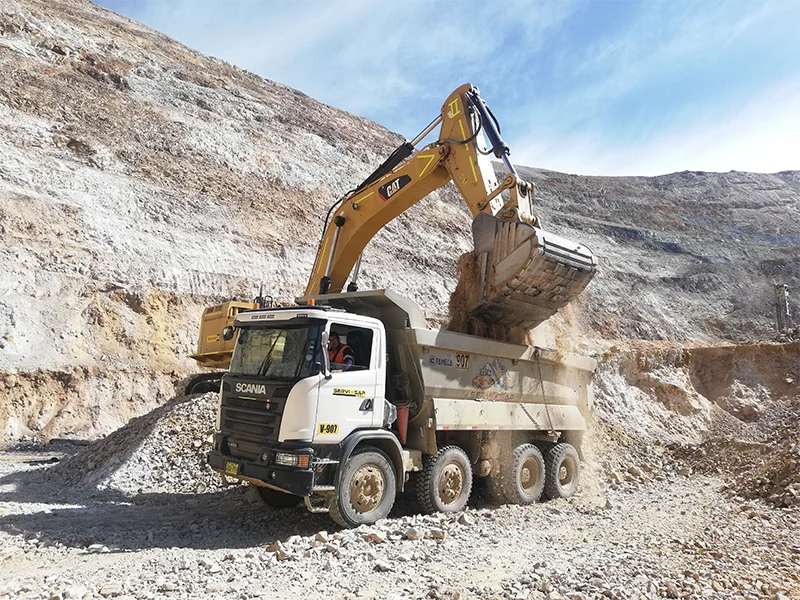
Mining
Heavy-duty wear parts for abrasive mining conditions.
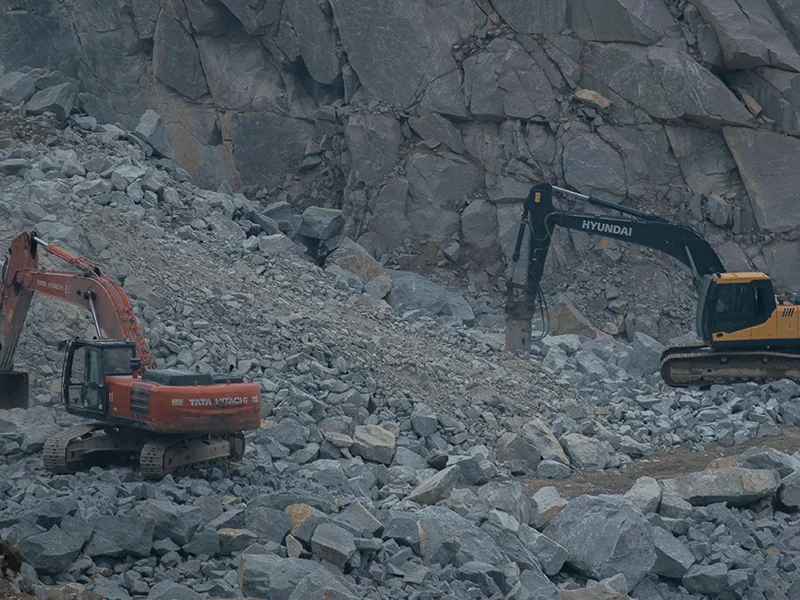
Quarrying
Reliable GET parts for high-impact quarry operations.
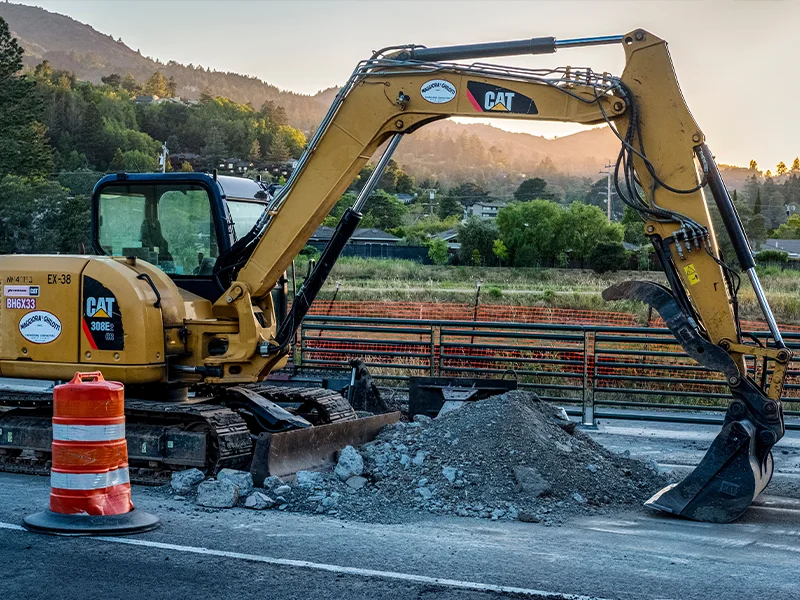
Construction
General-purpose bucket teeth and adapters for construction equipment.
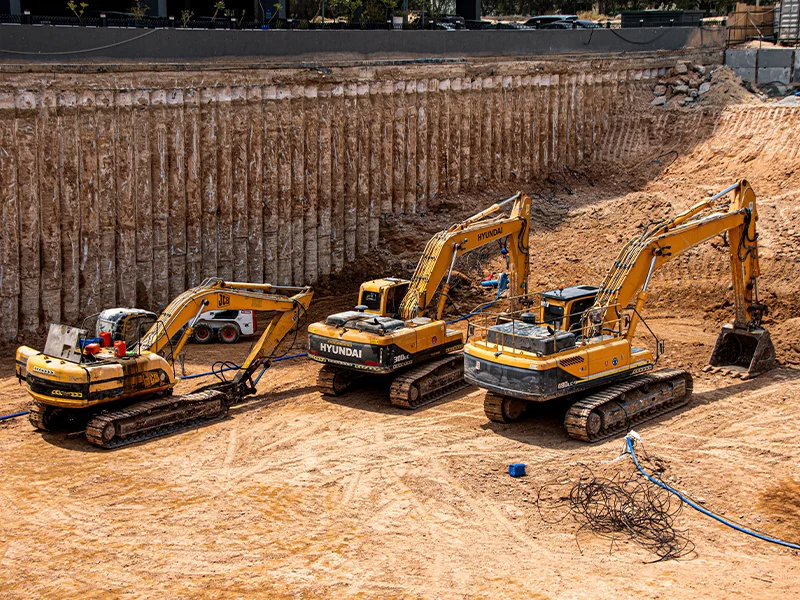
Earthmoving
Durable replacement parts for digging, trenching and bulk material handling.
Not sure which application fits your project?
Request Expert Help Send your machine model or working condition for recommendation.
SELECTION GUIDE
How to Select the Right Part
Four steps are usually enough to confirm a replacement reference.
- Identify equipment brand
Start from the machine make and model shown on the machine plate.
- Confirm machine model
Match the model and, where possible, the bucket arrangement.
- Check the existing part number
Read the reference from the worn part or from the parts book.
- Send photo or drawing if unsure
Provide photographs or measurements so the part can be reviewed.
BEFORE YOU INQUIRE
Frequently Asked
Questions
Do I need a different adapter to run rock teeth?
Not necessarily. A tooth adapter is normally designed to accept several profiles of the same connection, so rock, chisel and standard teeth can share one adapter where the nose, tooth size and pin position match. Changing the tooth system, or moving to a different tooth size, is what requires a new adapter.
My standard teeth wear out quickly in abrasive ground - will rock teeth fix it?
A rock profile helps where the ground is abrasive, compacted or broken, because it carries more wear material and holds its shape longer. If the teeth are breaking rather than wearing, or a new tooth moves on the adapter, the profile is not the cause and that should be checked before more teeth are ordered. Describe the material and send photographs of the failure.
Which rock profile fits my ground - chisel, heavy-duty or extended?
Chisel profiles sit between a pointed tooth and a general-purpose tooth: narrow at the tip for penetration, with more material through the casting. Heavy-duty profiles carry extra wear material where the tooth is loaded hardest, and extended profiles reach further into broken rock. Compare the listed photographs and confirm size and connection against your part.
The rock teeth keep breaking at the root - what does that point to?
Repeated breakage usually indicates a mismatch rather than a bad batch: a tooth that is too light for the machine and the material, an impact the profile cannot absorb, or an adapter that lets the tooth move so shock loads reach the tooth root. Send the broken pieces and the machine details so the failure can be assessed.
What shapes the service life of a rock tooth?
Life is set by the material being dug, the tooth size in relation to the machine, and how the tooth is fitted. Material grade and heat treatment are agreed per part during technical review, because hardness and toughness have to be balanced for the working condition. Casting soundness matters too: porosity or inclusions at a break are a defect, not normal wear.
Can rock teeth be produced to my drawing, including a specified material?
Yes. Send the drawing or a sample together with the material, hardness and quantity requirements, and geometry, casting route and inspection plan are confirmed during technical review. Where a hardness or impact requirement applies, it is recorded so it can be verified on the delivered parts.
LET’S IDENTIFY YOUR PART
Request a Quote for Excavator Rock Teeth
Send us your model, part number, drawing or product photo. We’ll help identify the correct part and prepare a quotation.
- Machine model
- Part number
- Drawing
- Product photo
- Required quantity
- Drawings and technical files are kept confidential
- OEM / custom casting supported
- Reply within 12–24 hours