
Ref CE-001 · SDLG
CONSTRUCTION MACHINERY / CUTTING EDGES
Loader Cutting Edges
Standard cutting edge and blade plate references for wheel loader buckets, listed by machine reference.
- 69 catalog references
- OEM / custom support
- Multi-brand compatibility
LOADER CUTTING EDGES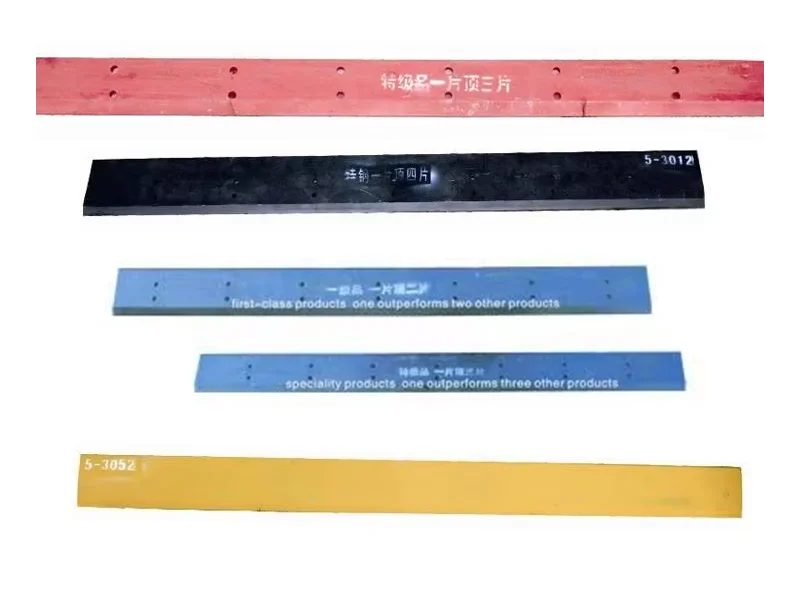 REPRESENTATIVE REFERENCES · 69
OEM / Custom InquiriesMultiple Model ReferencesComponent ReferencesBulk Order Inquiries
CATEGORY OVERVIEW
What Are Loader Cutting Edges?
The cutting edge, also called a blade plate or base edge, is the replaceable plate that runs along the front of a loader bucket. It takes the abrasion that would otherwise reach the bucket floor, and the bevel on its leading side is what cuts the material before the rest of the bucket follows. This group holds the catalog entries that carry no extra variant label in their source names - the plain edge and plate references. That is a source-label grouping rather than a dimension class: two entries in this list can still differ in length, width, thickness, bevel and hole pattern, and the catalog does not state which manufacturing route produced a given plate. Ordering therefore runs on measurement: length, width, thickness and the hole pattern taken from the worn part or from the bucket drawing.
- Plain cutting-edge references
- Multiple brand references
- Dimensions confirmed by drawing
- OEM / custom available
BROWSE BY EQUIPMENT BRAND
Browse Products by Equipment Brand
69 product references
Select an equipment brand to narrow the product range.
Showing 24 of 69 products
Ref CE-002 · SDLG
SDLG 1-21 Cutting Edge
Ref CE-003 · SDLG
SDLG 1009 Cutting Edge 729
Ref CE-004 · SDLG
SDLG 3-22 Cutting Edge 718
Ref CE-005 · SDLG
SDLG 30 Cutting Edge
Ref CE-006 · SDLG
SDLG 3694 Cutting Edge 750
Ref CE-007 · SDLG
SDLG 50 Cutting Edge 708
Ref CE-008 · SDLG
SDLG 50 Cutting Edge 726
Ref CE-009 · SDLG
SDLG 50 Cutting Edge 736
Ref CE-010 · SDLG
SDLG 956 Cutting Edge 763
Ref CE-011 · XGMA
XGMA 40 / 50 Cutting Edge
Ref CE-012 · XGMA
XGMA 50 Cutting Edge 301
Ref CE-013 · XGMA
XGMA 50 Cutting Edge 303
Ref CE-014 · XGMA
XGMA 50 Cutting Edge 3032
Ref CE-015 · XGMA
XGMA 50 Cutting Edge 305
Ref CE-016 · XGMA
XGMA 50 Cutting Edge 5302
Ref CE-017 · XGMA
XGMA 50 Cutting Edge 53050
Ref CE-018 · XGMA
XGMA 50 Cutting Edge 53052
Ref CE-019 · XGMA
XGMA 50 Cutting Edge 53055
Ref CE-020 · XGMA
XGMA 50 Cutting Edge 53056
Ref CE-021 · XGMA
XGMA 50 Cutting Edge 5318
Ref CE-022 · XGMA
XGMA 50 Cutting Edge 5320
Ref CE-023 · XGMA
XGMA 50 Cutting Edge 5321
Ref CE-024 · XGMA
XGMA 50 Cutting Edge 5327
Ref CE-025 · XGMA
XGMA 50 Cutting Edge 5331
Ref CE-029 · SEM
SEM 30 Cutting Edge 57410
Ref CE-030 · SEM
SEM 50 Cutting Edge 5249
Ref CE-031 · SEM
SEM 50 Cutting Edge 57090
Ref CE-032 · SEM
SEM 50 Cutting Edge 5715
Ref CE-033 · SEM
SEM 50 Cutting Edge 5774
Ref CE-034 · SEM
SEM 50 Cutting Edge 5776
Ref CE-035 · SEM
SEM 60 Cutting Edge 775
Ref CE-036 · SEM
SEM 951 Cutting Edge
Ref CE-037 · Changlin
Changlin 30 Cutting Edge
Ref CE-038 · Changlin
Changlin 30 Cutting Edge 105
Ref CE-039 · Changlin
Changlin 50 Cutting Edge
Ref CE-040 · Changlin
Changlin 50 Cutting Edge 101
Ref CE-041 · XCMG
XCMG 1A-15 Cutting Edge 610
Ref CE-042 · XCMG
XCMG 30 Cutting Edge
Ref CE-043 · XCMG
XCMG 320E Cutting Edge 612
Ref CE-044 · XCMG
XCMG 330F Cutting Edge
Ref CE-045 · XCMG
XCMG 50 Cutting Edge
Ref CE-046 · XCMG
XCMG 50 Cutting Edge 613
Ref CE-047 · XCMG
XCMG 50 Cutting Edge 619
Ref CE-048 · Chenggong
Chenggong 30 Cutting Edge
Ref CE-049 · Chenggong
Chenggong 30 Cutting Edge 901
Ref CE-050 · Chenggong
Chenggong 30 Cutting Edge 903
Ref CE-051 · Doosan
Doosan 30 / 50 Cutting Edge
Ref CE-052 · Doosan
Doosan 50 Cutting Edge 57541
Ref CE-053 · LiuGong
LiuGong 30 Cutting Edge
Ref CE-054 · LiuGong
LiuGong 30 Cutting Edge 206
Ref CE-055 · LiuGong
LiuGong 40B Cutting Edge
Ref CE-056 · LiuGong
LiuGong 50C Cutting Edge
Ref CE-057 · LiuGong
LiuGong 50C Cutting Edge 209
Ref CE-060 · LiuGong
LiuGong 50 Cutting Edge 207
Ref CE-061 · LiuGong
LiuGong 855 Cutting Edge 240
Ref CE-062 · World
World 50 Cutting Edge 5635
Ref CE-063 · World
World 50 Cutting Edge 5645
Ref CE-064 · Foton
Foton 30 Cutting Edge
Ref CE-065 · Foton
Foton 30 Cutting Edge 703
Ref CE-066 · Foton
Foton 50 Cutting Edge
Ref CE-067 · Foton
Foton 50 Cutting Edge 739
Ref CE-068 · Foton
Foton 50 Cutting Edge 749
Ref CE-069 · Foton
Foton 50 Cutting Edge 770
Ref CE-071 · Longyan
Longyan 30 Cutting Edge
Ref CE-072 · Lonking
Lonking 30 Cutting Edge 802
Ref CE-073 · Lonking
Lonking 50 Side-dump Cutting Edge
Ref CE-074 · Lonking
Lonking 50 Cutting Edge
Ref CE-075 · Lonking
Lonking 50 Cutting Edge 411
No products found for this brand
We may still be able to supply a compatible replacement.
Request Matching Help →Brand names identify catalog references and do not imply affiliation. Model references alone do not confirm compatibility. Numbered references distinguish source entries and do not establish different geometries.
What to measure before ordering
An edge is ordered on measurement rather than on the machine model, because the same model can have carried more than one bucket over its life. Five dimensions carry most of the risk.
| Dimension | How to take it | What goes wrong if it is wrong |
|---|---|---|
| Overall length | End to end, square to the plate | A longer plate fouls the bucket sides; a shorter one leaves the corners unprotected |
| Width | From the cutting side to the back edge | Too wide and the plate will not seat on the mounting face; too narrow and the bolts cannot clamp it |
| Thickness | Away from the worn bevel, at the thinnest sound point | A thicker plate changes the height of the bolted stack, so the fastening no longer clamps |
| Hole pattern | Side edge to the first hole centre, centres between holes, and hole diameter | One hole out of position means the plate cannot be bolted down at all |
| Edge profile | Straight double bevel, single bevel, or a bowed rock profile | The wrong profile changes how the bucket cuts and how it levels |
Measure the worn plate rather than the machine: a bucket that has been rebuilt may no longer accept its original reference.
Bucket blade vs cutting edge
Bucket blade is the everyday name for the part this page lists as a cutting edge or blade plate. In some regions the blade is understood as the whole front assembly, so it is worth saying which of the two is being replaced.
A worn plate can be sent for comparison instead of being measured, which settles a reference that is no longer legible on the part.
A MODEL IS ONLY THE START
Can’t Find Your Part?
Send the details you have so the part can be identified and reviewed.
Send Your Requirement →- Part number & machine model
- Drawing or mounting dimensions
- Product photographs
- Sample specifications
- Required quantity
COMPATIBLE EQUIPMENT BRANDS
Compatible Equipment Brands
6 brands represented in this category.
 XGMA
Standard cutting-edge references for selected XGMA machines.
15 references SDLG
Standard cutting-edge references for selected SDLG machines.
10 references- SEM
Standard cutting-edge references for selected SEM machines.
8 references  XCMG
Standard cutting-edge references for selected XCMG machines.
7 references LiuGong
Standard cutting-edge references for selected LiuGong machines.
7 references- Foton
Standard cutting-edge references for selected Foton machines.
6 references
Brand names identify catalog references and do not imply affiliation. Confirm fit by part number and dimensions.
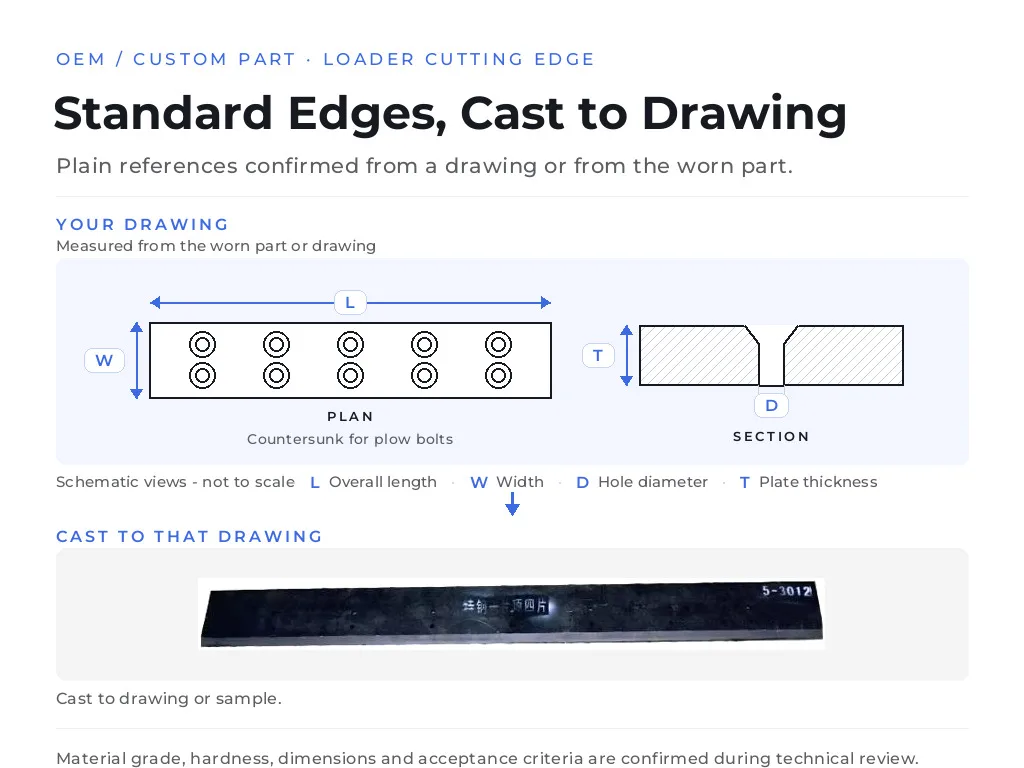 OEM / CUSTOM PART · LOADER CUTTING EDGE
BEYOND THE CATALOG
OEM & Custom Casting
Start a manufacturing review with your drawing, sample or existing part specification. Include blade dimensions, hole patterns and edge profiles.
Drawing-based requirements
Sample reference
Custom dimensions
Branding / marking
DEFINE YOUR REQUIREMENTS
Casting & Manufacturing Review
Use these stages to specify the process and inspection requirements for your part.
01
Material & Route
Part geometry & material
02
Heat Treatment
Hardness requirements
03
Cutting & Machining
Mounting dimensions
04
Inspection
Acceptance criteria
05
Surface Finishing
Surface requirements
Material grade, hardness, dimensions and acceptance criteria are confirmed during technical review.
View Our Casting CapabilitiesBUILT FOR REAL WORK
Applications
Cutting edges and blade plates for loader buckets in bulk handling, abrasive material and ground work.
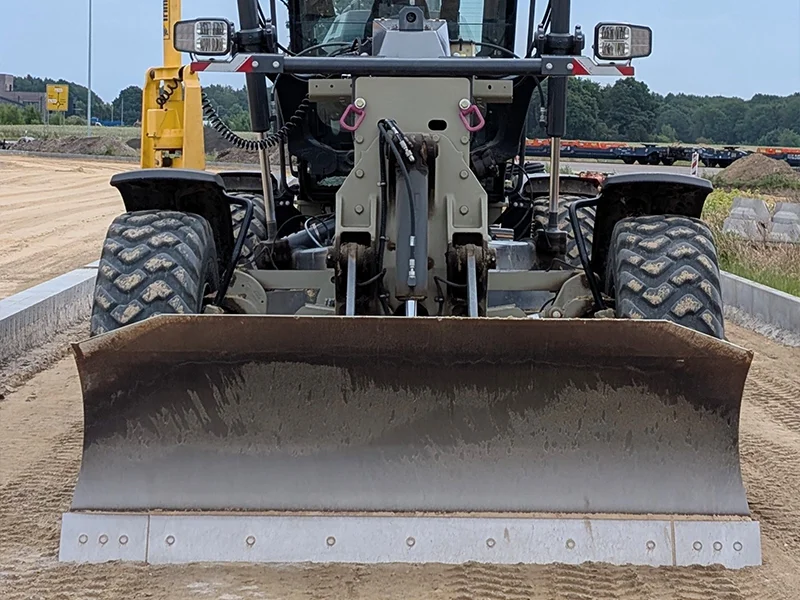
Bulk Loading & Stockpiling
Edges for buckets that load and carry loose material through the shift, where the plate protects the bucket floor as well as cutting.
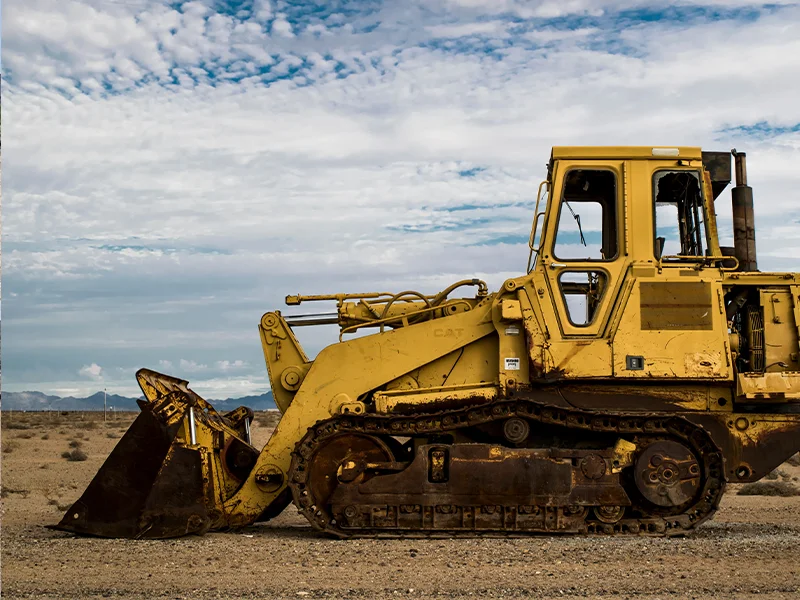
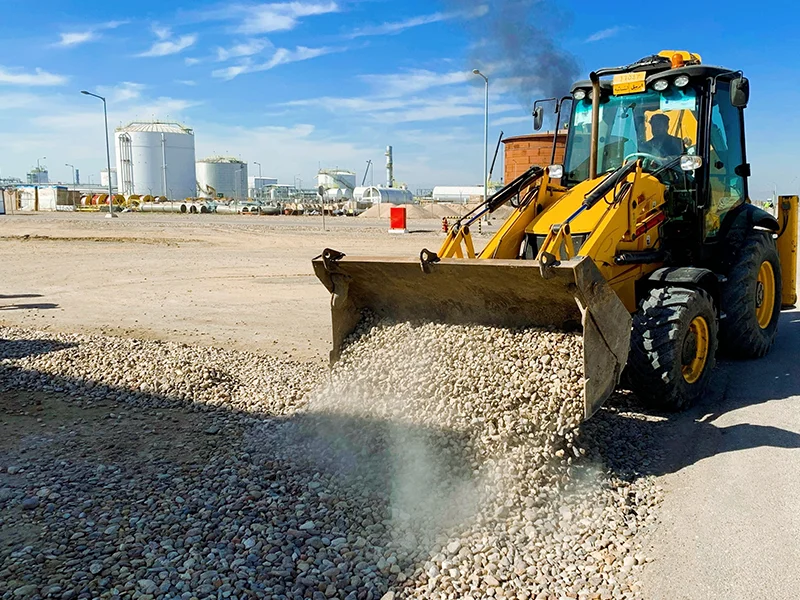
Aggregates, Sand & Gravel
Edges for fine abrasive material, where the bevel wears back and the area around the bolt holes has to stay sound.
Grading & Levelling
Straight double bevel edges for buckets that level and back-drag as well as load.
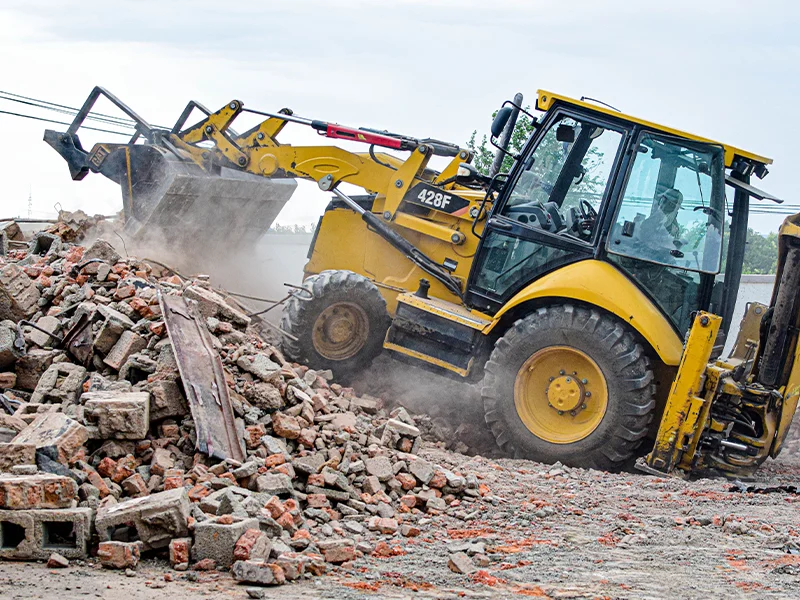
Compacted & Stony Ground
Heavier and rock profile edges for ground where a standard section wears through quickly or deforms.
Not sure which application fits your project?
Request Expert Help Send your machine model or working condition for recommendation.
SELECTION GUIDE
How to Select the Right Part
Four steps are usually enough to confirm a replacement reference.
- Identify equipment brand
Start from the machine make and model shown on the machine plate.
- Confirm machine model
Match the model and, where possible, the bucket arrangement.
- Check the existing part number
Read the reference from the worn part or from the parts book.
- Send photo or drawing if unsure
Provide photographs or measurements so the part can be reviewed.
BEFORE YOU INQUIRE
Frequently Asked
Questions
What does a standard reference mean on this page?
These are the catalog entries whose source names carry no extra variant label: no wide, narrow, extended, thick or rock wording. They are the plain edge and blade plate references for the machines listed. It is a source-label grouping and not a dimension class, so two entries under this heading can still differ in length, width, thickness, bevel form and hole pattern. Every order is therefore confirmed from a drawing or from measurements taken on the worn part.
Which dimensions have to be measured before an edge is ordered?
Four dimensions carry most of the risk: overall length, the width from the cutting side to the back edge, the plate thickness measured away from the worn bevel, and the hole pattern. For the pattern, measure from the side edge to the centre of the first hole, then the distance between hole centres, and the hole diameter, and confirm the holes are countersunk for plow bolts. Photographing the worn plate next to a tape measure answers most of these in one step.
How do I match an edge to a bucket that has been rebuilt or repaired?
A repaired bucket may no longer accept its original reference, because the base edge, the mounting face or the hole positions can have changed. Send the bucket drawing where it exists, and in every case the measured dimensions and hole pattern of the part being replaced, together with photographs of the mounted edge and of the mounting face. Where the mounting face is no longer flat or the holes are worn oval, that is treated as part of the same problem rather than as a separate repair.
Does the cutting edge carry the teeth, and are they ordered together?
On a loader bucket the tooth holders are attached around the base edge area, while the edge plate itself takes the abrasion and makes the cut. They wear at different rates and they are separate references, so an inquiry should say which of the two is being replaced and, where teeth are also involved, the tooth position and holder detail. Replacing an edge while worn teeth are left in place simply moves the load onto the new plate.
What decides how long a standard edge lasts?
Abrasion resistance of the material, the plate thickness, the material being handled and how evenly the bucket is worked. In fine abrasive material such as sand and aggregate the edge wears back along the bevel; in compacted or stony ground it also takes impact, which is what makes a heavier or rock profile section worth reviewing. Describe the ground and send a photograph of the worn edge, because the wear pattern shows whether the failure is abrasion, impact or uneven working.
Are these the original manufacturer parts, and can the material be specified?
The brand and model names identify the source reference each catalog entry was collected under; they are not parts supplied by the equipment manufacturers, and no affiliation is implied. Material, hardness and manufacturing route for a specific plate are agreed during technical review, since the catalog photographs and names do not establish them, and the agreed requirement is recorded so it can be checked on the delivered parts. Send the ground conditions and how the current edge fails so the specification can be proposed on that basis.
LET’S IDENTIFY YOUR PART
Request a Quote for Loader Cutting Edges
Send us your model, part number, drawing or product photo. We’ll help identify the correct part and prepare a quotation.
- Machine model
- Part number
- Drawing
- Product photo
- Required quantity
- Drawings and technical files are kept confidential
- OEM / custom casting supported
- Reply within 12–24 hours