
Ref CE-026 · XGMA
CONSTRUCTION MACHINERY / LENGTH & WIDTH VARIANTS
Extended, Wide & Narrow Edges
Cutting edge references that carry an extended, wide or narrow label in the source catalog.
- 5 catalog references
- OEM / custom support
- Multi-brand compatibility
EXTENDED / WIDE / NARROW EDGES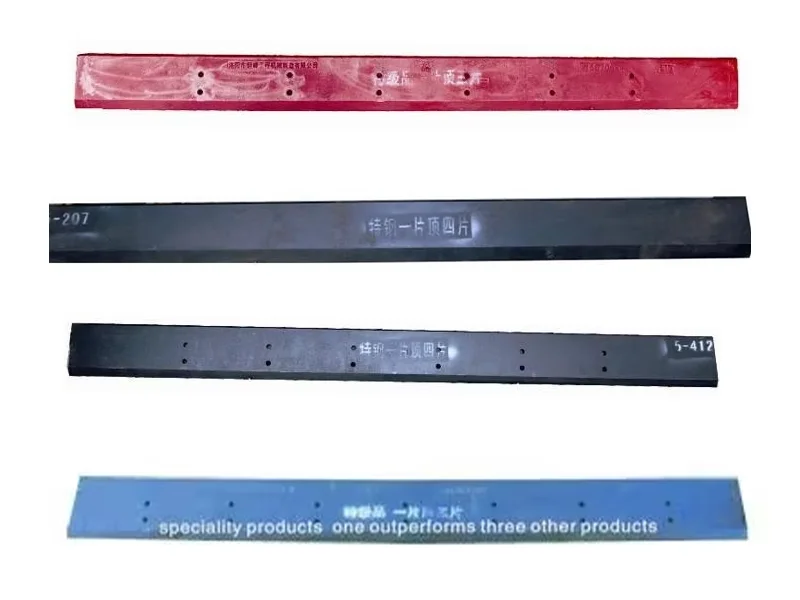 REPRESENTATIVE REFERENCES · 5
OEM / Custom InquiriesMultiple Model ReferencesComponent ReferencesBulk Order Inquiries
CATEGORY OVERVIEW
What Are Extended, Wide & Narrow Edges?
This group holds the catalog entries whose source names include a length or width variant: extended, wide or narrow. The labels describe the reference the entry was collected under, not a standardized dimension class, and one entry can carry more than one label at once, as with the extended thick reference. A variant changes how the plate fits the bucket and where material is cut at the sides, so the choice is made against the bucket rather than from the label alone. Length, width, thickness and the hole pattern are confirmed from a drawing or from the worn part before an order is placed, exactly as for the standard references.
- Extended, wide and narrow labels
- Length and width variants
- Source-label grouping
- OEM / custom available
BROWSE BY EQUIPMENT BRAND
Browse Products by Equipment Brand
5 product references
Select an equipment brand to narrow the product range.
Showing 5 of 5 products
Ref CE-027 · XGMA
XGMA 50 Narrow Cutting Edge
Ref CE-059 · LiuGong
LiuGong 50C Extended Thick Cutting Edge 5207
Ref CE-076 · Lonking
Lonking 50 Extended Cutting Edge 412
Ref CE-077 · Lonking
Lonking 50 Extended Cutting Edge 5412
No products found for this brand
We may still be able to supply a compatible replacement.
Request Matching Help →Brand names identify catalog references and do not imply affiliation. Model references alone do not confirm compatibility. Numbered references distinguish source entries and do not establish different geometries.
A MODEL IS ONLY THE START
Can’t Find Your Part?
Send the details you have so the part can be identified and reviewed.
Send Your Requirement →- Part number & machine model
- Drawing or mounting dimensions
- Product photographs
- Sample specifications
- Required quantity
COMPATIBLE EQUIPMENT BRANDS
Compatible Equipment Brands
3 brands represented in this category.
 XGMA
Extended, wide and narrow edge references for selected XGMA machines.
2 references Lonking
Extended, wide and narrow edge references for selected Lonking machines.
2 references LiuGong
Extended, wide and narrow edge references for selected LiuGong machines.
1 reference
Brand names identify catalog references and do not imply affiliation. Confirm fit by part number and dimensions.
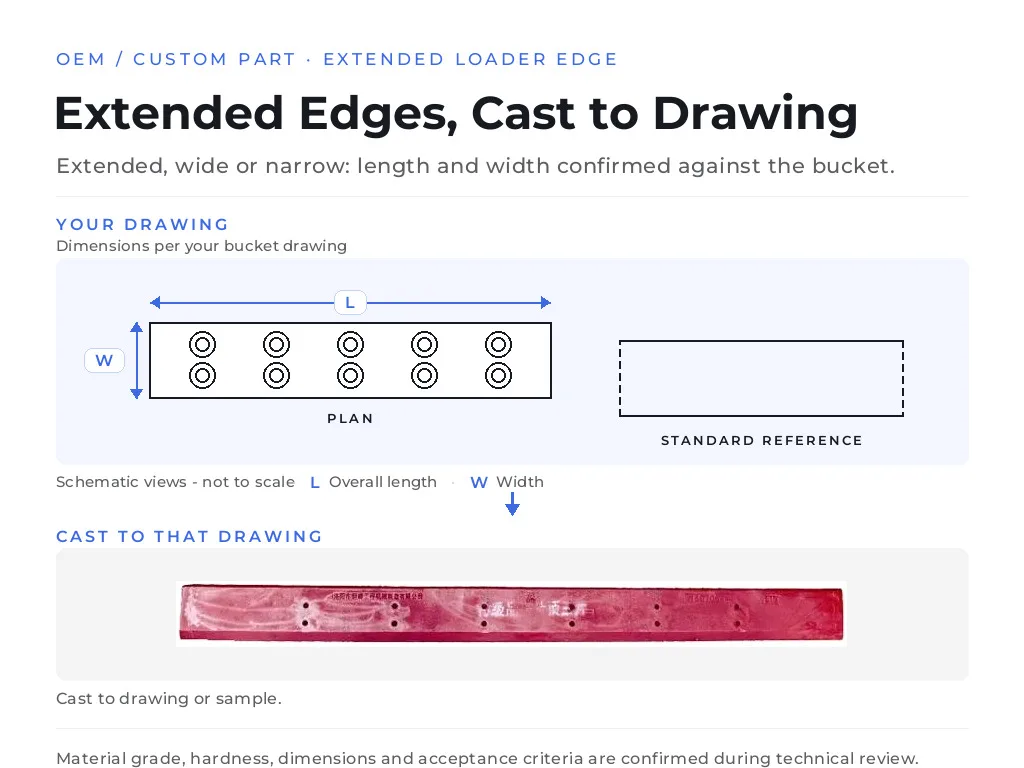 OEM / CUSTOM PART · EXTENDED LOADER EDGE
BEYOND THE CATALOG
OEM & Custom Casting
Start a manufacturing review with your drawing, sample or existing part specification. Include blade dimensions, hole patterns and edge profiles.
Drawing-based requirements
Sample reference
Custom dimensions
Branding / marking
DEFINE YOUR REQUIREMENTS
Casting & Manufacturing Review
Use these stages to specify the process and inspection requirements for your part.
01
Material & Route
Part geometry & material
02
Heat Treatment
Hardness requirements
03
Cutting & Machining
Mounting dimensions
04
Inspection
Acceptance criteria
05
Surface Finishing
Surface requirements
Material grade, hardness, dimensions and acceptance criteria are confirmed during technical review.
View Our Casting CapabilitiesBUILT FOR REAL WORK
Applications
Cutting edges and blade plates for loader buckets in bulk handling, abrasive material and ground work.
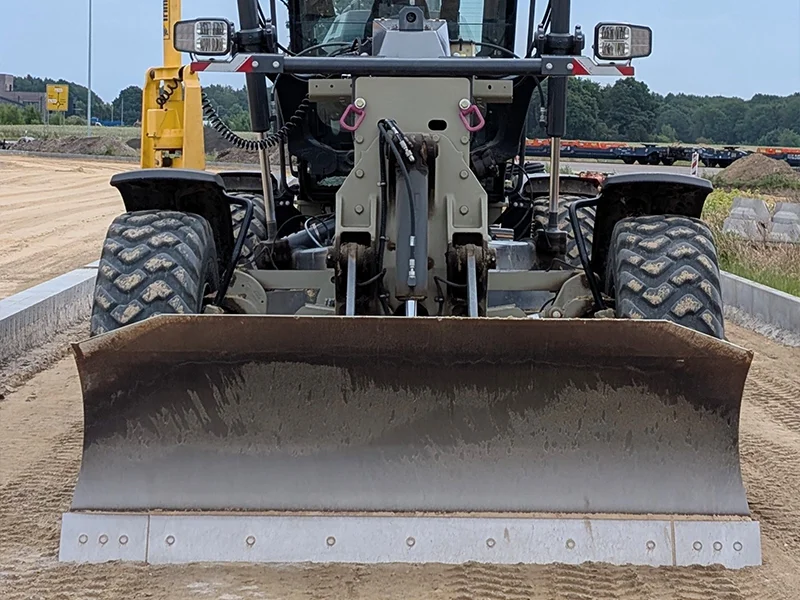
Bulk Loading & Stockpiling
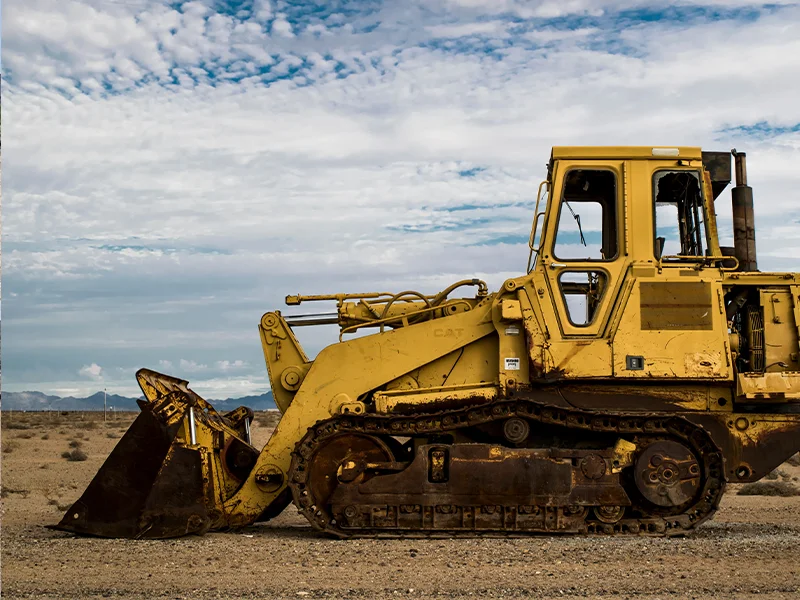
Edges for buckets that load and carry loose material through the shift, where the plate protects the bucket floor as well as cutting.
Aggregates, Sand & Gravel
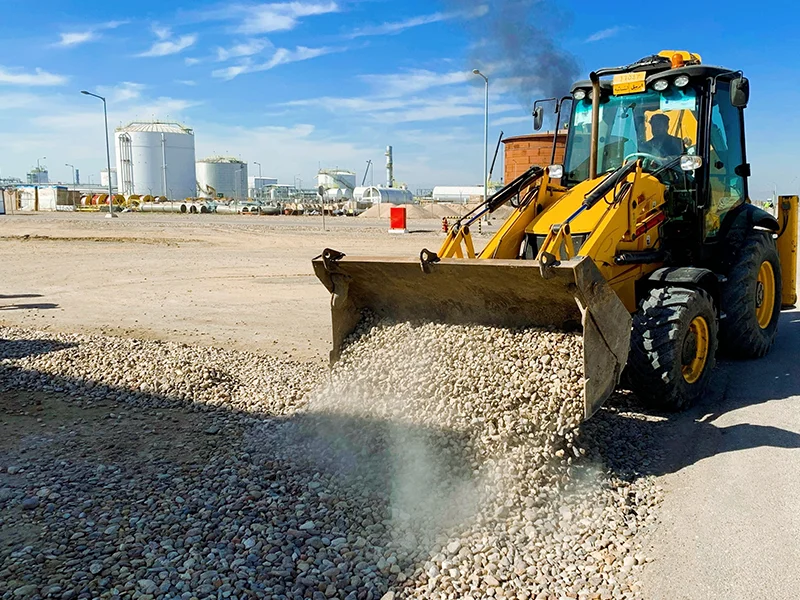
Edges for fine abrasive material, where the bevel wears back and the area around the bolt holes has to stay sound.
Grading & Levelling
Straight double bevel edges for buckets that level and back-drag as well as load.
Compacted & Stony Ground
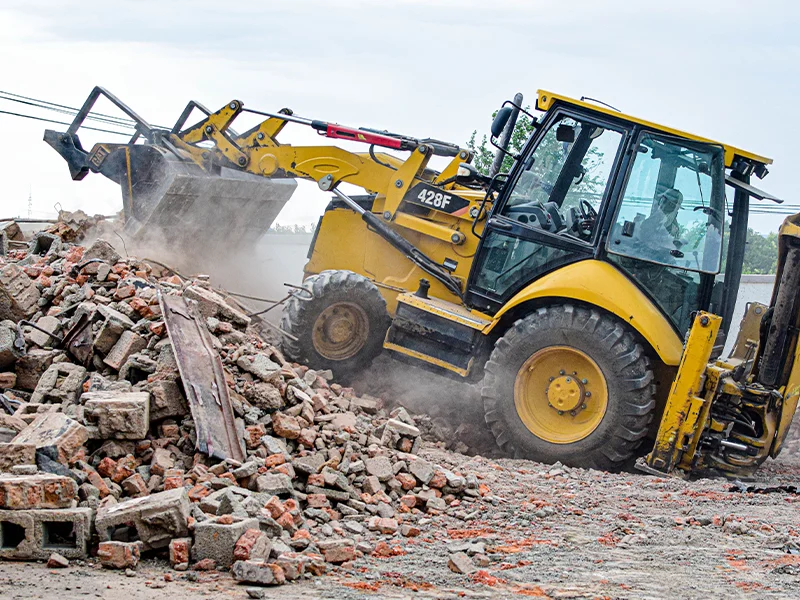
Heavier and rock profile edges for ground where a standard section wears through quickly or deforms.
Not sure which application fits your project?
Request Expert Help Send your machine model or working condition for recommendation.
SELECTION GUIDE
How to Select the Right Part
Four steps are usually enough to confirm a replacement reference.
- Identify equipment brand
Start from the machine make and model shown on the machine plate.
- Confirm machine model
Match the model and, where possible, the bucket arrangement.
- Check the existing part number
Read the reference from the worn part or from the parts book.
- Send photo or drawing if unsure
Provide photographs or measurements so the part can be reviewed.
BEFORE YOU INQUIRE
Frequently Asked
Questions
What do extended, wide and narrow mean on this page?
They are the variant labels carried by the source entries: extended means longer than the standard reference for the same machine, wide means more cutting width, and narrow means less. They identify how an entry was catalogued rather than a standardized dimension class, and one entry can carry two labels at once, as the extended thick reference does. The practical length and width differ between brands, so they are confirmed by measurement rather than read from the label.
Why would a narrow edge be fitted instead of the standard width?
The narrow label marks a reference narrower than the standard edge for the same machine. What it suits depends on the bucket it goes on, so the decision is made against the bucket drawing: where the bucket itself has been narrowed, where the sides have to stay clear of a wall or a form, or where a narrower cut is wanted. Sending the bucket width and the measured width of the part being replaced is enough to review it.
Does a wider edge increase the cutting width or the bucket capacity?
The edge is bounded by the bucket, so the plate changes where the bucket cuts and how the corners are worked rather than the bucket volume itself. Treat any change in cutting width as something to confirm against the bucket drawing instead of assuming it from the variant name. Where the bucket sides or the corner plates have been modified, include those details, because the edge has to sit correctly against them.
Can an extended or wide plate be cut down and re-drilled?
Where a plate has to be shortened, the cut end and any new holes have to be re-made to the same bevel and countersink, and the material at a cut and around a drilled hole is no longer in the condition it left heat treatment. That change is therefore agreed before it is done rather than improvised on site. If the length has to be different from the catalog reference, send the required dimensions and it can be reviewed as a custom part.
Do the variants come in different thicknesses as well?
Labels can combine. The catalog carries an entry marked extended and thick together, which shows that a variant can change more than one dimension. Thickness matters on its own terms because it sets the wear volume and the clamping height at the bolts, so state the thickness required even when the length and width are already fixed. Where the thickness is being changed from the existing part, say so, because the fastening is affected.
What should an inquiry for a variant edge include?
Send the machine model, the standard or variant reference if it is known, and the measured length, width and thickness of the part being replaced. Add the hole pattern - side edge to first hole centre, the centres between holes, hole diameter - and which side carries the bevel. A photograph of the mounted edge with a tape measure, and the quantity required, complete the picture so the variant can be confirmed rather than assumed.
LET’S IDENTIFY YOUR PART
Request a Quote for Extended, Wide & Narrow Edges
Send us your model, part number, drawing or product photo. We’ll help identify the correct part and prepare a quotation.
- Machine model
- Part number
- Drawing
- Product photo
- Required quantity
- Drawings and technical files are kept confidential
- OEM / custom casting supported
- Reply within 12–24 hours