
Ref CE-028 · SEM
CONSTRUCTION MACHINERY / ROCK PROFILE EDGES
Rock Profile Cutting Edges
Rock profile cutting edge references for ground where a standard section wears through or deforms.
- 2 catalog references
- OEM / custom support
- Multi-brand compatibility
ROCK PROFILE EDGES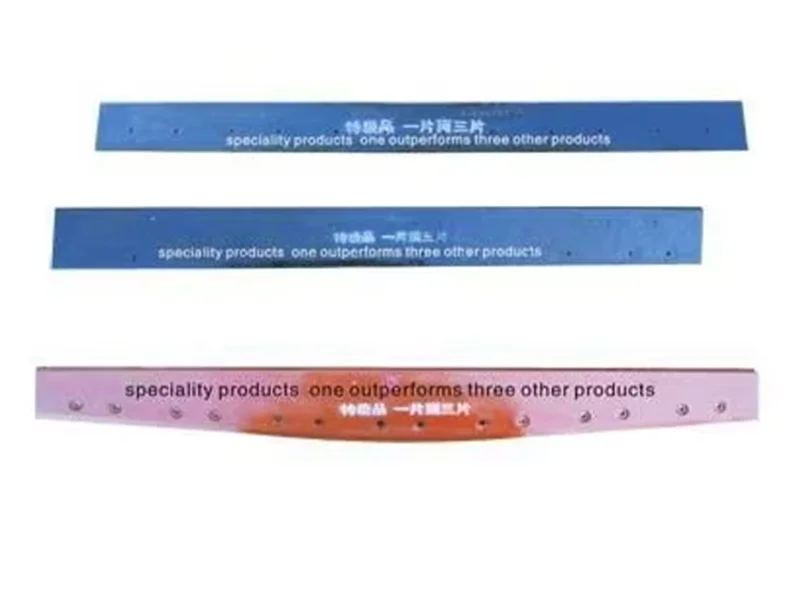 REPRESENTATIVE REFERENCES · 2
OEM / Custom InquiriesMultiple Model ReferencesComponent ReferencesBulk Order Inquiries
CATEGORY OVERVIEW
What Are Rock Profile Cutting Edges?
This group holds the catalog entries whose source names carry a rock profile label, taken from the rock naming used in the source catalog. They are the heavier end of the loader edge range, intended for ground where a standard section wears back quickly or deforms under impact rather than simply wearing out. A rock profile edge sits between two other approaches: a standard edge with teeth mounted around it, where the teeth break up the ground and take the wear, and a plain edge where the material is fine and loose. The photographs here show form only, and the section, bevel and hole pattern are confirmed from the worn part or the bucket drawing before an order is placed.
- Entries marked rock profile
- Abrasive and compacted ground
- Heavier section
- OEM / custom available
BROWSE BY EQUIPMENT BRAND
Browse Products by Equipment Brand
2 product references
Select an equipment brand to narrow the product range.
Showing 2 of 2 products
Ref CE-070 · Foton
Foton 50 Rock Profile Cutting Edge
No products found for this brand
We may still be able to supply a compatible replacement.
Request Matching Help →Brand names identify catalog references and do not imply affiliation. Model references alone do not confirm compatibility. Numbered references distinguish source entries and do not establish different geometries.
A MODEL IS ONLY THE START
Can’t Find Your Part?
Send the details you have so the part can be identified and reviewed.
Send Your Requirement →- Part number & machine model
- Drawing or mounting dimensions
- Product photographs
- Sample specifications
- Required quantity
COMPATIBLE EQUIPMENT BRANDS
Compatible Equipment Brands
2 brands represented in this category.
- SEM
Rock profile edge references for selected SEM machines.
1 reference - Foton
Rock profile edge references for selected Foton machines.
1 reference
Brand names identify catalog references and do not imply affiliation. Confirm fit by part number and dimensions.
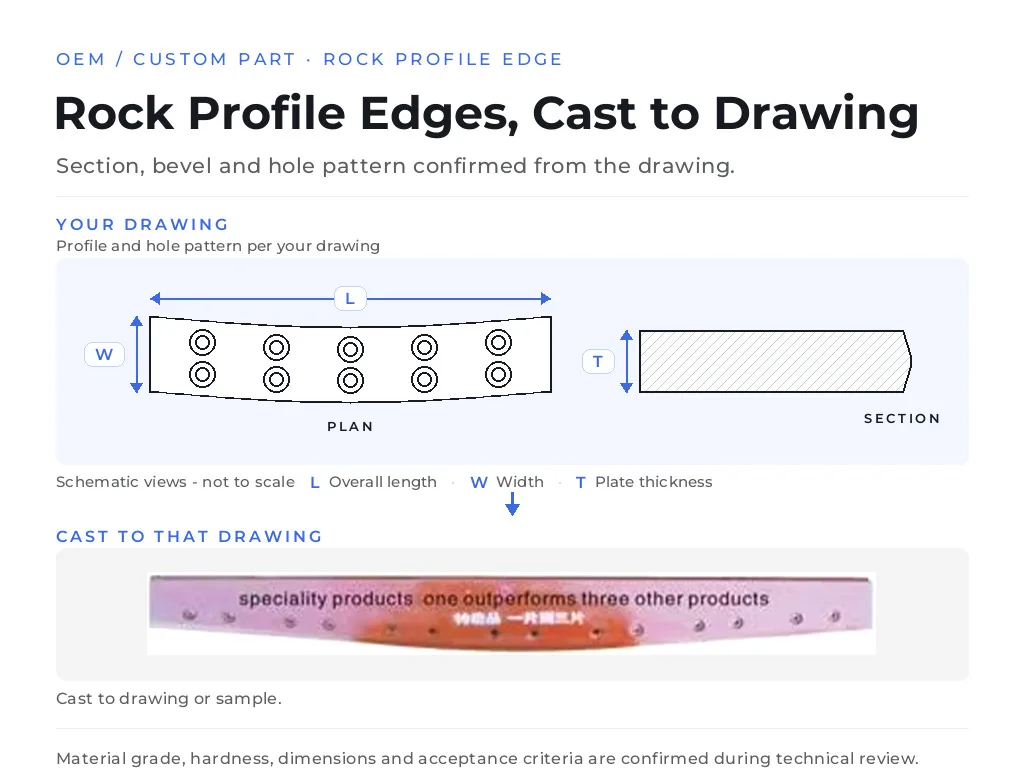 OEM / CUSTOM PART · ROCK PROFILE EDGE
BEYOND THE CATALOG
OEM & Custom Casting
Start a manufacturing review with your drawing, sample or existing part specification. Include blade dimensions, hole patterns and edge profiles.
Drawing-based requirements
Sample reference
Custom dimensions
Branding / marking
DEFINE YOUR REQUIREMENTS
Casting & Manufacturing Review
Use these stages to specify the process and inspection requirements for your part.
01
Material & Route
Part geometry & material
02
Heat Treatment
Hardness requirements
03
Cutting & Machining
Mounting dimensions
04
Inspection
Acceptance criteria
05
Surface Finishing
Surface requirements
Material grade, hardness, dimensions and acceptance criteria are confirmed during technical review.
View Our Casting CapabilitiesBUILT FOR REAL WORK
Applications
Cutting edges and blade plates for loader buckets in bulk handling, abrasive material and ground work.
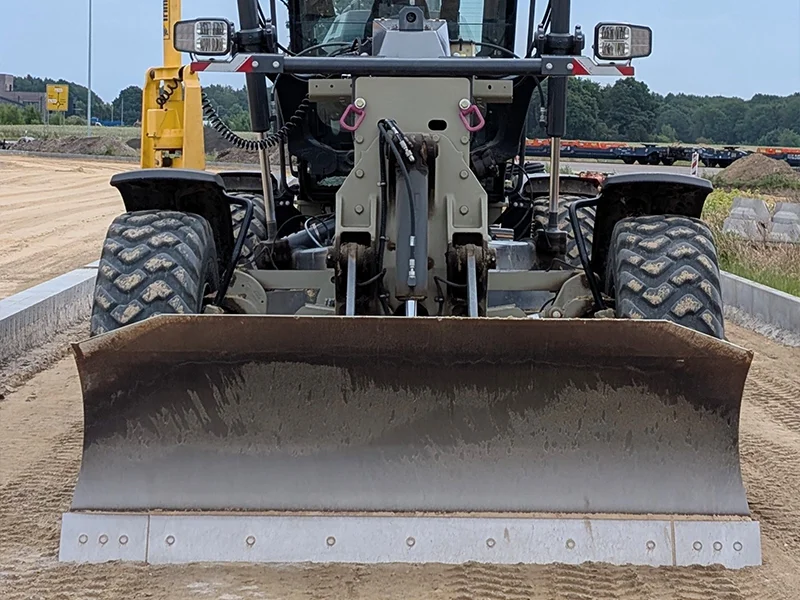
Bulk Loading & Stockpiling
Edges for buckets that load and carry loose material through the shift, where the plate protects the bucket floor as well as cutting.
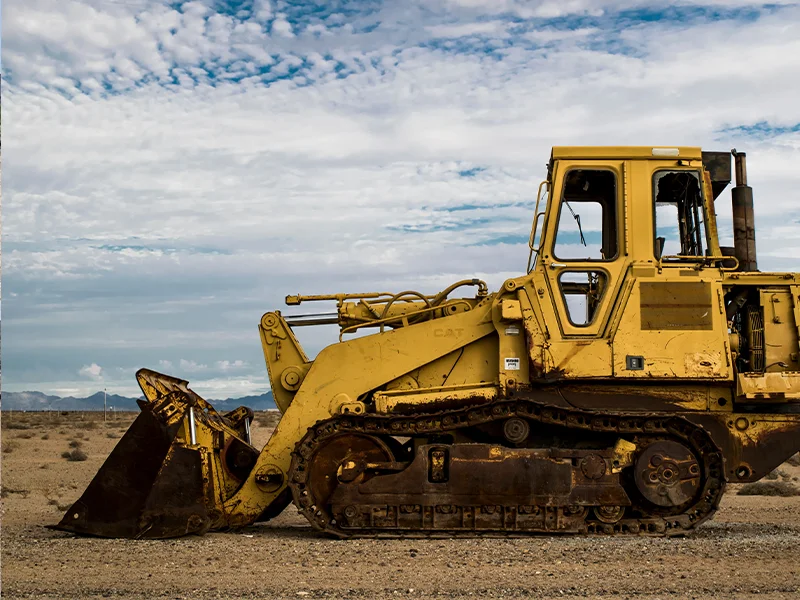
Aggregates, Sand & Gravel
Edges for fine abrasive material, where the bevel wears back and the area around the bolt holes has to stay sound.
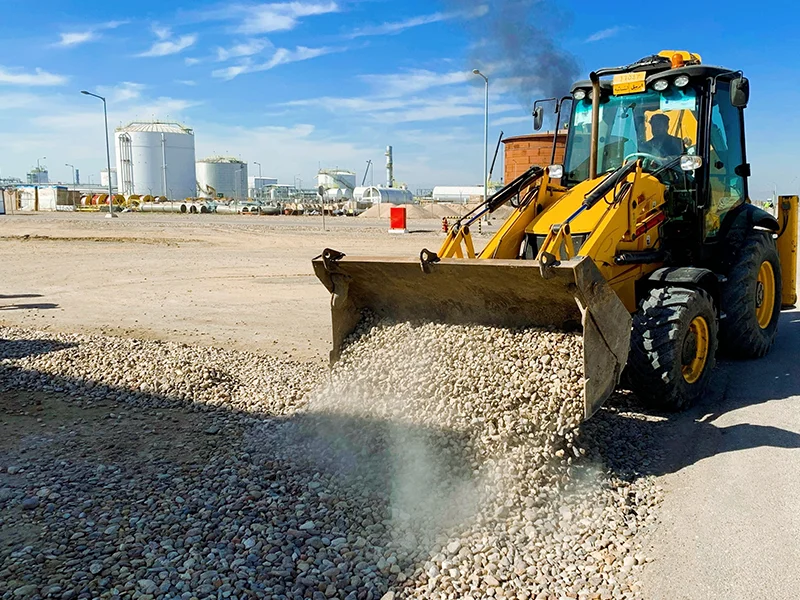
Grading & Levelling
Straight double bevel edges for buckets that level and back-drag as well as load.
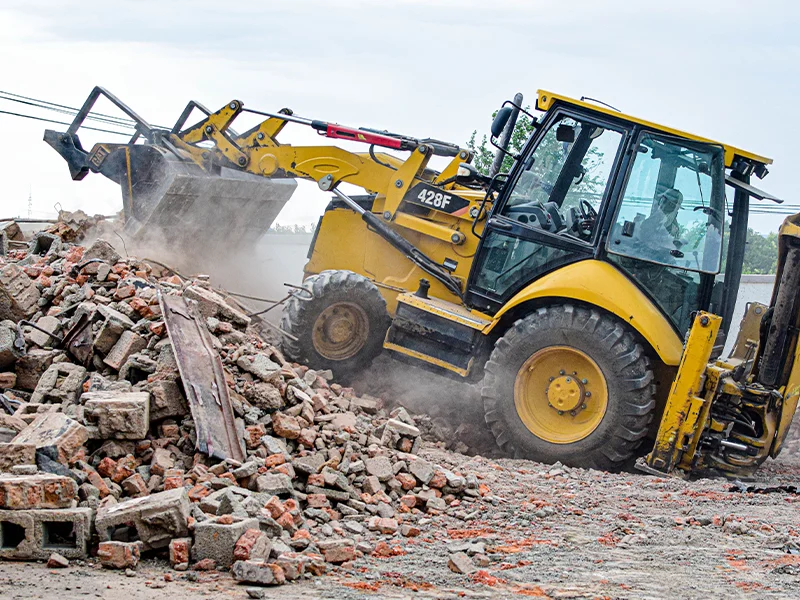
Compacted & Stony Ground
Heavier and rock profile edges for ground where a standard section wears through quickly or deforms.
Not sure which application fits your project?
Request Expert Help Send your machine model or working condition for recommendation.
SELECTION GUIDE
How to Select the Right Part
Four steps are usually enough to confirm a replacement reference.
- Identify equipment brand
Start from the machine make and model shown on the machine plate.
- Confirm machine model
Match the model and, where possible, the bucket arrangement.
- Check the existing part number
Read the reference from the worn part or from the parts book.
- Send photo or drawing if unsure
Provide photographs or measurements so the part can be reviewed.
BEFORE YOU INQUIRE
Frequently Asked
Questions
What does a rock profile cutting edge mean here?
It labels a reference collected under the rock naming used in the source catalog, which marks it as the heavier end of the edge range. The photographs show form only, so the section, bevel and hole pattern are confirmed from the worn part or from the bucket drawing before an order is placed. Treating the label as a full specification is what leads to a plate that fits the bolts but does not suit the work.
When is a rock profile edge the right choice, and when is it not?
It suits ground that is compacted, stony or broken, where a standard section wears back quickly or is deformed by impact rather than simply wearing away. It is the wrong choice where the material is fine and loose: in sand, aggregate or general earthmoving the abrasion is steady, and a standard or abrasive grade plate will often give better value. Describe the ground and send a photograph of the worn or damaged edge, and the two cases can be separated.
Should I fit a rock profile edge or add teeth to the bucket?
They address different problems. Teeth break up the ground ahead of the edge and take the wear themselves, which is why they are used where the material resists the bucket; a rock profile edge is the heavier plate option for a bucket that is not running a tooth system, or that still needs a full cutting edge behind the teeth. Which is worth doing depends on the material and on how the bucket is worked, so send the current bucket arrangement and what happens to it now.
Does a rock profile edge change how the bucket grades?
A heavier or segmented front end behaves differently on the ground from a straight double bevel edge, and it is the straight edge that leaves a flat surface when the bucket is dragged. If the bucket is also used for levelling and back-dragging, say so when ordering, because the profile is chosen against the work the bucket does most of the time rather than against the hardest work it ever sees.
Are the references here made for particular machines?
The brand and model labels identify the source reference an entry was collected under, not a universal fit, and no affiliation with the equipment manufacturers is implied. Fit is confirmed from your own part number and, in practice, from the measured length, width, thickness and hole pattern of the plate being replaced. Where there is no readable reference, measurements and a photograph of the mounted plate are enough to start.
Can a rock profile edge be produced to my drawing?
Yes. Send the drawing or a sample together with the section, bevel, hole pattern, material and quantity requirements, and the material, production route and inspection plan are confirmed during technical review. The catalog does not establish how a given plate was made, so the route is agreed for the part rather than assumed, and any hardness or impact requirement is recorded so it can be checked on the delivered parts.
LET’S IDENTIFY YOUR PART
Request a Quote for Rock Profile Cutting Edges
Send us your model, part number, drawing or product photo. We’ll help identify the correct part and prepare a quotation.
- Machine model
- Part number
- Drawing
- Product photo
- Required quantity
- Drawings and technical files are kept confidential
- OEM / custom casting supported
- Reply within 12–24 hours