
Ref ICP-001
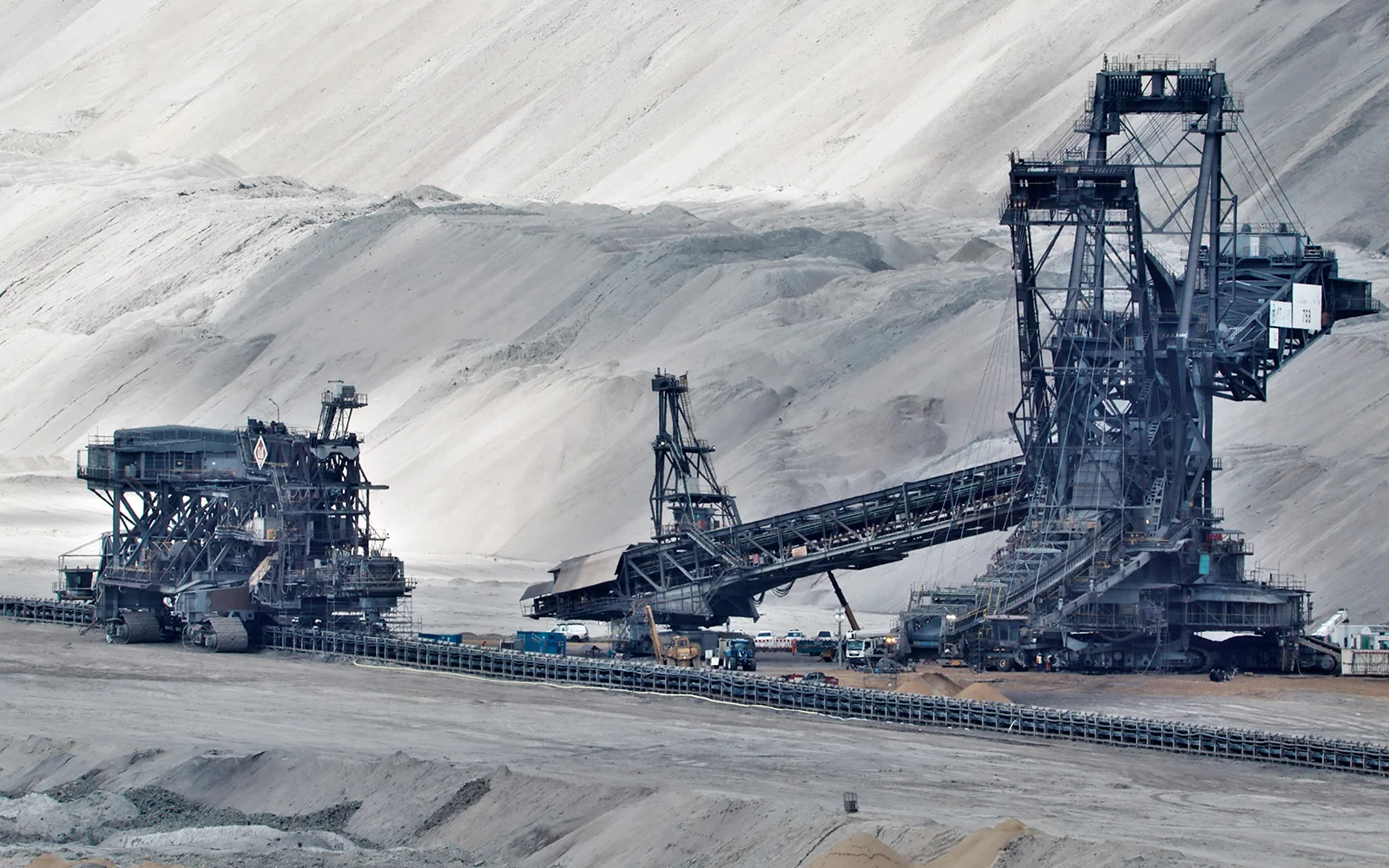
MINING & AGGREGATE / IMPACT CRUSHER
Impact Crusher Wear Parts
Blow bars and impact crusher wear references for secondary and tertiary impact crushers.
- 10 catalog references
- OEM / custom support
- Multi-brand compatibility
OEM / Custom InquiriesMultiple Model ReferencesComponent ReferencesBulk Order Inquiries
CATEGORY OVERVIEW
What Are Impact Crusher Wear Parts?
An impact crusher breaks material with speed rather than pressure: blow bars fixed to a rotating rotor strike the feed and throw it against the impact plates and the liners of the chamber. The blow bars are the primary wear part, and they are turned or replaced once the working edge has rounded off. This category lists blow bars together with further impact crusher wear references. The photographs show bar form, edge profile and how the bars are stacked for shipment; bar length, width and height, the fixing method and the rotor position must be confirmed from the crusher model and the existing part number. Blow bar material is chosen against the feed, because abrasion resistance and impact toughness trade against each other, so the grade is reviewed together with the material being crushed and the rotor speed.
- Edge wear resistance
- Impact toughness
- Balanced bar set
- OEM / custom available
THE PRODUCT CATALOG
Find Your Part
10 product references
Rotor-mounted bars that strike the feed and throw it against the impact plates.
Ref ICP-002
Blow Bar ICP-002
Ref ICP-003
Blow Bar ICP-003
Ref ICP-004
Blow Bar ICP-004
Ref ICP-005
Blow Bar ICP-005
Ref ICP-006
Blow Bar ICP-006
Ref ICP-007
Impact Crusher Part ICP-007
Ref ICP-008
Impact Crusher Part ICP-008
Ref ICP-009
Impact Crusher Part ICP-009
Ref ICP-010
Impact Crusher Part ICP-010
References are source catalog labels. Similar references do not establish identical geometry - confirm the crusher model, the chamber or rotor configuration and the existing part number before ordering.
A MODEL IS ONLY THE START
Can’t Find Your Part?
Send the details you have so the part can be identified and reviewed.
Send Your Requirement →- Part number & machine model
- Drawing or mounting dimensions
- Product photographs
- Sample specifications
- Required quantity
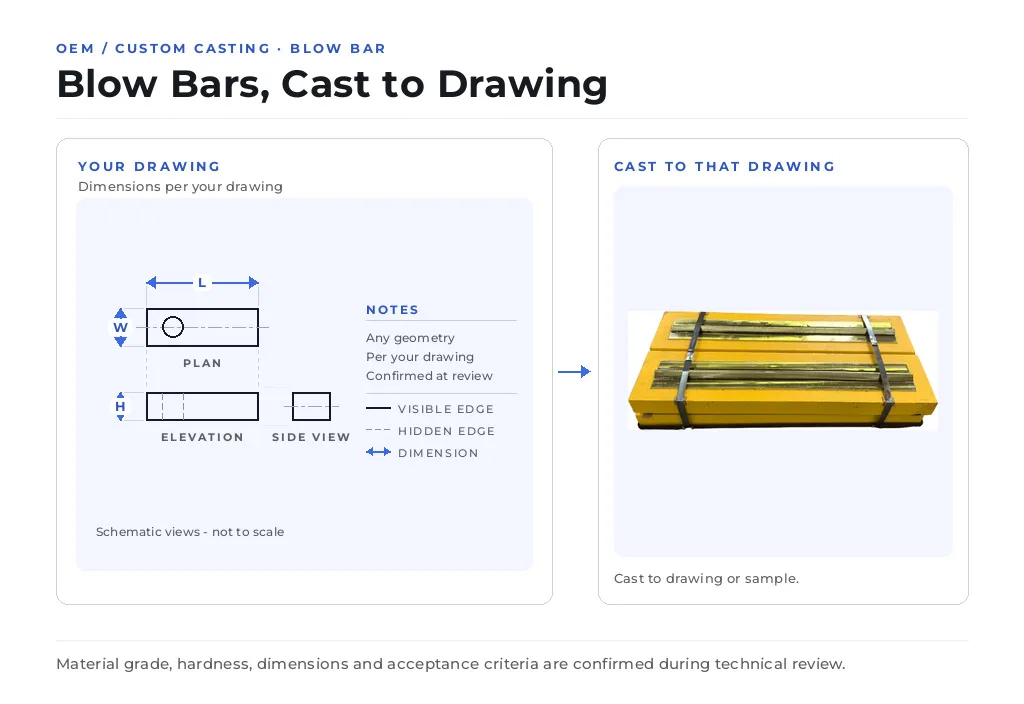 OEM / CUSTOM CASTING · BLOW BAR
BEYOND THE CATALOG
OEM & Custom Casting
Start a manufacturing review with your drawing, sample or existing part specification. Include crusher type, the existing part reference and the feed conditions.
Drawing-based requirements
Sample reference
Custom dimensions
Branding / marking
DEFINE YOUR REQUIREMENTS
Casting & Manufacturing Review
Use these stages to specify the process and inspection requirements for your part.
01
Casting
Part geometry & material
02
Heat Treatment
Hardness requirements
03
Machining
Mounting dimensions
04
Inspection
Acceptance criteria
05
Surface Finishing
Surface requirements
Material grade, hardness, dimensions and acceptance criteria are confirmed during technical review.
View Our Casting CapabilitiesWHERE THESE PARTS WORK
Applications
Crusher wear parts for hard rock, aggregate, cement and recycling duty.
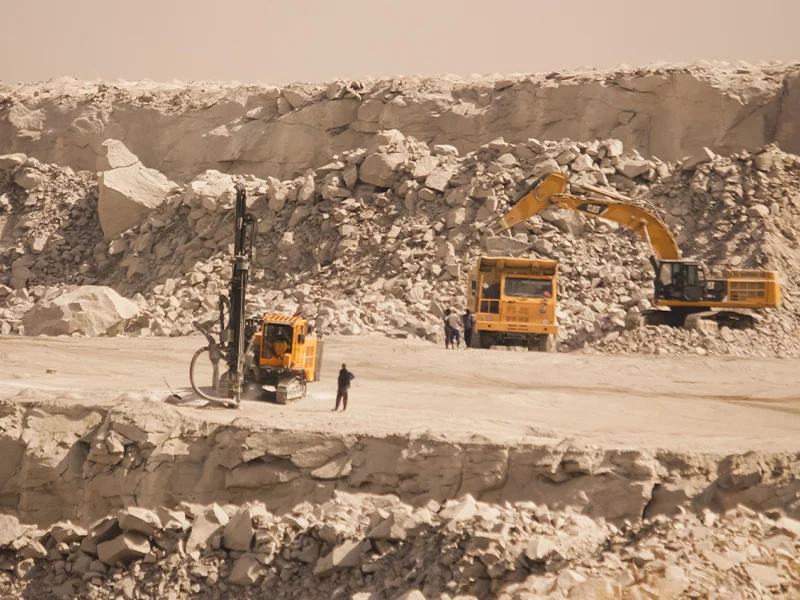
Hard Rock Mining
Wear parts for primary and secondary crushing of hard, abrasive ore.
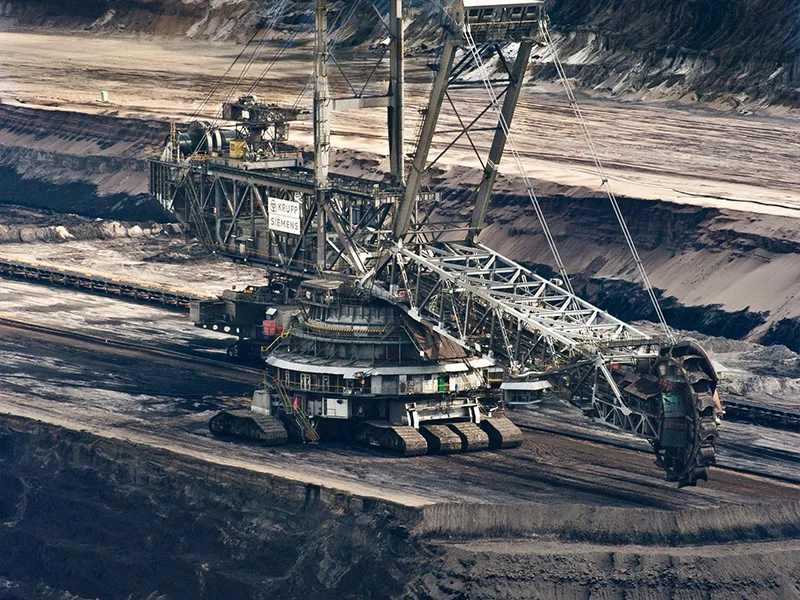
Aggregate & Quarrying
Jaw plates, cone liners and blow bars for aggregate production.
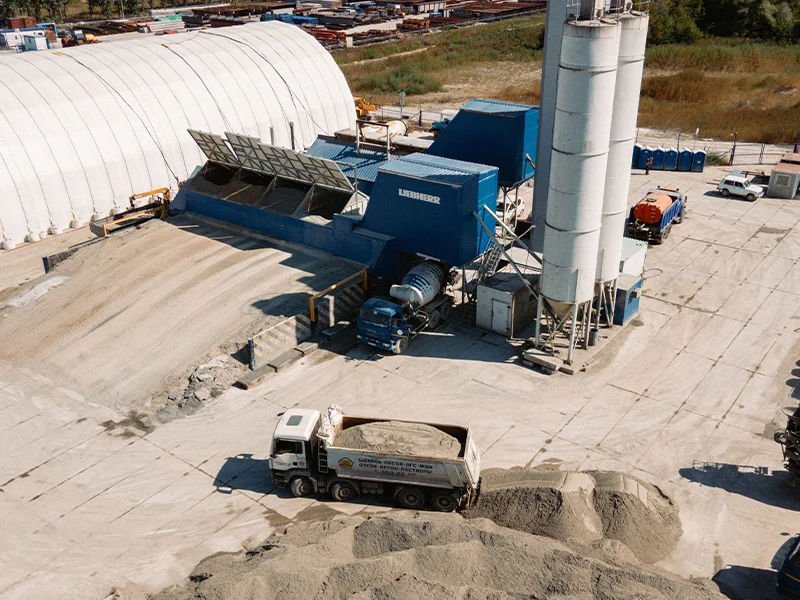
Cement & Clinker
Wear parts for limestone preparation and clinker crushing lines.
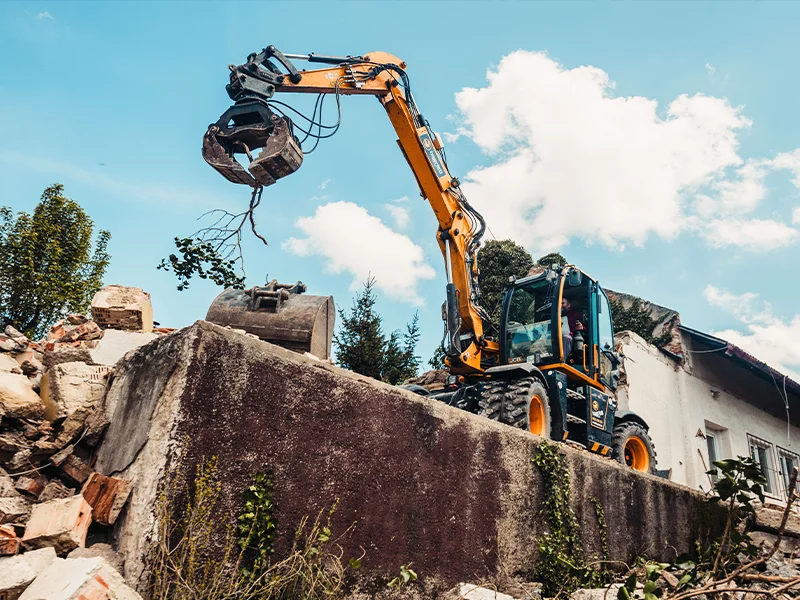
Recycling & Demolition
Impact and manganese wear parts for concrete and asphalt recycling.
Not sure which application fits your project?
Request Expert Help Send your machine model or working condition for recommendation.
SELECTION GUIDE
How to Select the Right Part
Four steps are usually enough to confirm a replacement reference.
- Identify equipment brand
Start from the machine make and model shown on the machine plate.
- Confirm machine model
Match the model and, where possible, the bucket arrangement.
- Check the existing part number
Read the reference from the worn part or from the parts book.
- Send photo or drawing if unsure
Provide photographs or measurements so the part can be reviewed.
BEFORE YOU INQUIRE
Frequently Asked
Questions
What do blow bars do in an impact crusher?
Blow bars are mounted on the rotating rotor and strike the feed, throwing it against the impact plates and the chamber liners. Size reduction comes from that impact and from material breaking against itself, so the bar edge does most of the work and is the part that wears.
Which blow bar material should I choose?
Martensitic steel, high-chromium cast iron, chrome-molybdenum alloy and ceramic-insert composites are all used, and each trades toughness against abrasion resistance. Abrasive feed that breaks easily tends to favour the more wear-resistant grades, while high impact energy or tramp metal favours a tougher bar. The feed and the rotor speed decide the balance.
When should a blow bar be turned or replaced?
The working edge rounds off progressively, so the signals are a coarser or less consistent product, lower throughput and higher power draw for the same tonnage. Where the bar is symmetrical both faces can be used before replacement, and bars are checked at each inspection rather than on a fixed interval.
What causes a blow bar to break instead of wearing?
Breakage usually points to the application rather than to normal wear: oversized or unbreakable feed, tramp metal, or a bar grade that is too brittle for the impact energy in the rotor. Abrasion loss is gradual and gives warning, so a cracked or broken bar should be investigated before more bars are ordered.
How do I identify the right blow bar?
Check the crusher model and rotor first, then the bar dimensions - length, width and height - and the fixing method used on the rotor, whether wedge, bolt or clamp. The rotor position matters as well, because the first row of bars takes the most impact.
Are other impact crusher wear parts available?
Yes. This category lists blow bars together with further impact crusher wear references, and impact plates and chamber liners can be produced to drawing as custom castings. Send the part description, drawing or photographs and the crusher model so the component can be identified.
LET’S IDENTIFY YOUR PART
Request a Quote for Impact Crusher Wear Parts
Send us your model, part number, drawing or product photo. We’ll help identify the correct part and prepare a quotation.
- Machine model
- Part number
- Drawing
- Product photo
- Required quantity
- Drawings and technical files are kept confidential
- OEM / custom casting supported
- Reply within 12–24 hours