
Ref JCP-007
MINING & AGGREGATE / JAW CRUSHER
Jaw Crusher Wear Parts
Fixed and movable jaw plates for primary and secondary jaw crushers, listed by source reference group.
- 32 catalog references
- OEM / custom support
- Multi-brand compatibility
OEM / Custom InquiriesMultiple Model ReferencesComponent ReferencesBulk Order Inquiries
CATEGORY OVERVIEW
What Are Jaw Crusher Wear Parts?
A jaw crusher reduces material between two plates: a fixed jaw plate that does not move and a movable (swing) jaw plate driven by the eccentric shaft. The plates are the replaceable wear surfaces of the machine and are changed once the teeth round off or the plate has worn thin. This category lists fixed and movable jaw plates, the Ti and alloy reference variants, and a group of assorted jaw crusher parts. The photographs show plate form, tooth pattern and the mounting holes and slots; plate size, tooth profile and the fixing method have to be confirmed against your crusher model or drawing before ordering. Jaw plates are normally supplied in high-manganese steel, which hardens as it is worked, with alloy grades used where abrasion resistance matters more than impact toughness. Send the crusher model, the existing part number and photographs of the worn plate so the correct reference can be identified.
- Impact toughness
- Work-hardening surface
- Replaceable plates
- OEM / custom available
THE PRODUCT CATALOG
Find Your Part
32 product references
Corrugated and plain plate references listed under the jaw plate group.
Ref JCP-008
Jaw Plate JCP-008
Ref JCP-009
Jaw Plate JCP-009
Ref JCP-010
Jaw Plate JCP-010
Ref JCP-011
Jaw Plate JCP-011
Ref JCP-017
Jaw Plate JCP-017
Plates that line the stationary jaw of the crusher.
Ref JCP-012
Fixed Jaw Plate JCP-012
Ref JCP-013
Fixed Jaw Plate JCP-013
Ref JCP-014
Fixed Jaw Plate JCP-014
Ref JCP-016
Fixed Jaw Plate JCP-016
Ref JCP-023
Fixed Jaw Plate JCP-023
Ref JCP-024
Fixed Jaw Plate JCP-024
Ref JCP-027
Fixed Jaw Plate JCP-027
Ref JCP-028
Fixed Jaw Plate JCP-028
Plates that line the swing jaw, driven by the eccentric shaft.
Ref JCP-015
Movable Jaw Plate JCP-015
Ref JCP-018
Movable Jaw Plate JCP-018
Ref JCP-019
Movable Jaw Plate JCP-019
Ref JCP-020
Movable Jaw Plate JCP-020
Ref JCP-021
Movable Jaw Plate JCP-021
Ref JCP-022
Movable Jaw Plate JCP-022
Ref JCP-029
Movable Jaw Plate JCP-029
Ref JCP-030
Movable Jaw Plate JCP-030
Fixed jaw plates listed under the Ti reference group.
Ref JCP-025
Ti Fixed Jaw Plate JCP-025
Ref JCP-026
Ti Fixed Jaw Plate JCP-026
Movable jaw plates listed under the alloy reference group.
Ref JCP-031
Alloy Movable Jaw Plate JCP-031
Ref JCP-032
Alloy Movable Jaw Plate JCP-032
Ref JCP-001
Jaw Crusher Part JCP-001
Ref JCP-002
Jaw Crusher Part JCP-002
Ref JCP-003
Jaw Crusher Part JCP-003
Ref JCP-004
Jaw Crusher Part JCP-004
Ref JCP-005
Jaw Crusher Part JCP-005
Ref JCP-006
Jaw Crusher Part JCP-006
References are source catalog labels. Similar references do not establish identical geometry - confirm the crusher model, the chamber or rotor configuration and the existing part number before ordering.
A MODEL IS ONLY THE START
Can’t Find Your Part?
Send the details you have so the part can be identified and reviewed.
Send Your Requirement →- Part number & machine model
- Drawing or mounting dimensions
- Product photographs
- Sample specifications
- Required quantity
 OEM / CUSTOM CASTING · JAW PLATE
BEYOND THE CATALOG
OEM & Custom Casting
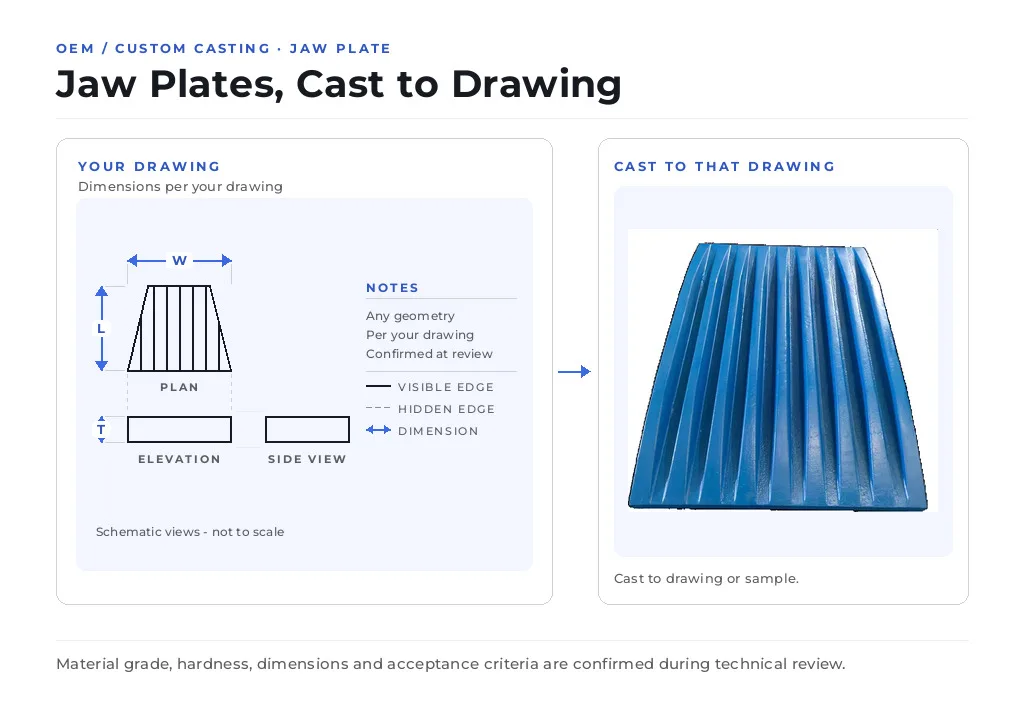
Start a manufacturing review with your drawing, sample or existing part specification. Include crusher type, the existing part reference and the feed conditions.
Drawing-based requirements
Sample reference
Custom dimensions
Branding / marking
DEFINE YOUR REQUIREMENTS
Casting & Manufacturing Review
Use these stages to specify the process and inspection requirements for your part.
01
Casting
Part geometry & material
02
Heat Treatment
Hardness requirements
03
Machining
Mounting dimensions
04
Inspection
Acceptance criteria
05
Surface Finishing
Surface requirements
Material grade, hardness, dimensions and acceptance criteria are confirmed during technical review.
View Our Casting CapabilitiesWHERE THESE PARTS WORK
Applications
Crusher wear parts for hard rock, aggregate, cement and recycling duty.
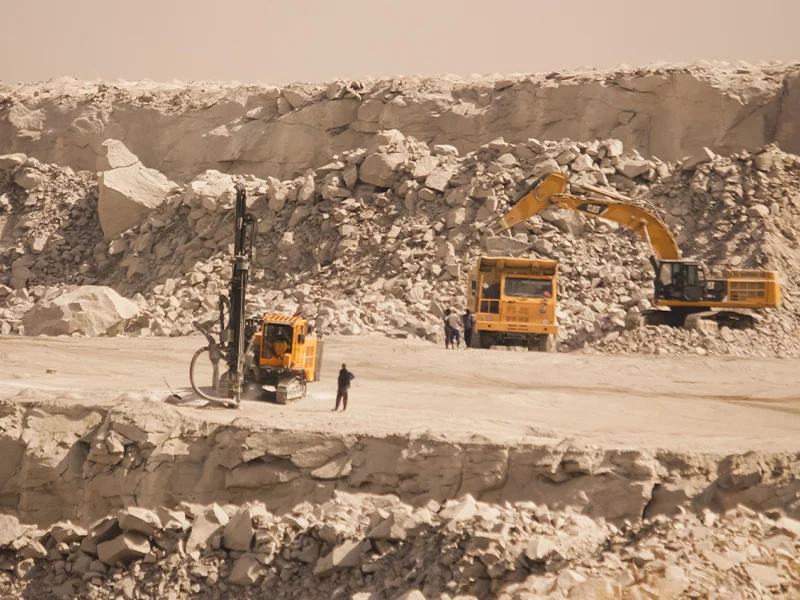
Hard Rock Mining
Wear parts for primary and secondary crushing of hard, abrasive ore.
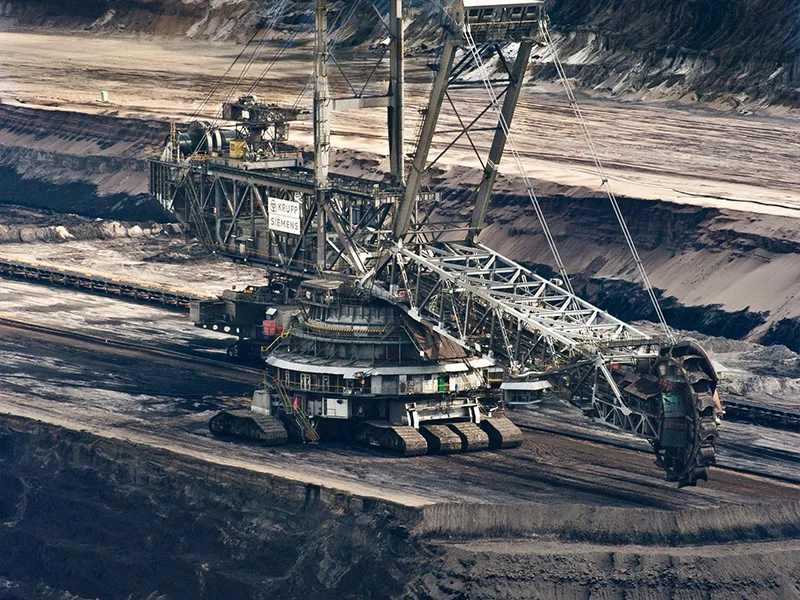
Aggregate & Quarrying
Jaw plates, cone liners and blow bars for aggregate production.
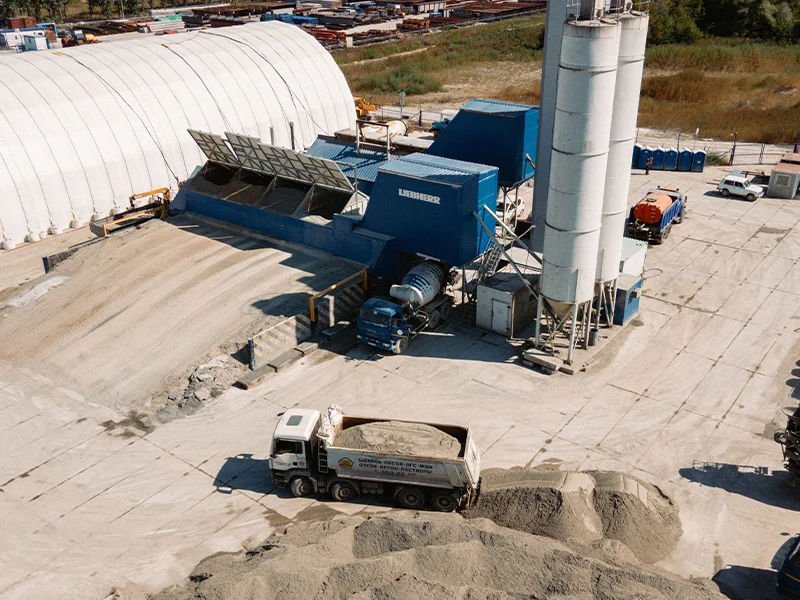
Cement & Clinker
Wear parts for limestone preparation and clinker crushing lines.
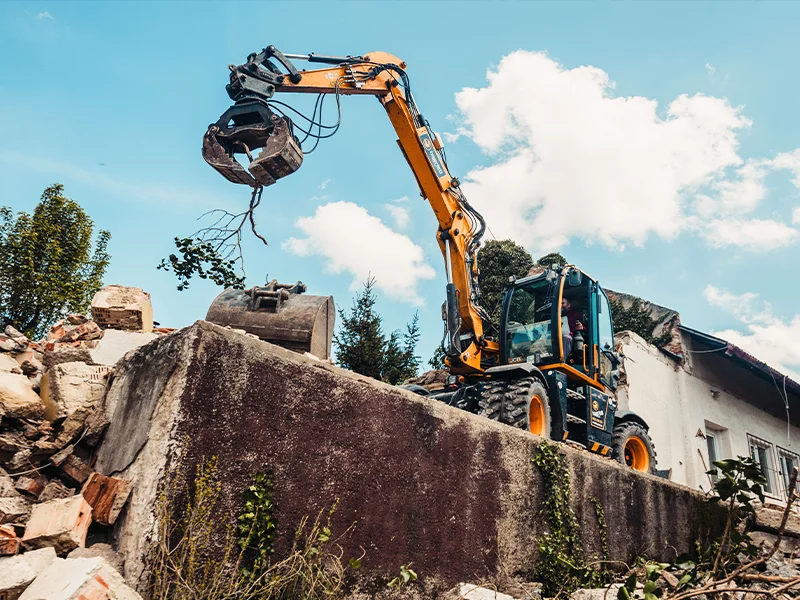
Recycling & Demolition
Impact and manganese wear parts for concrete and asphalt recycling.
Not sure which application fits your project?
Request Expert Help Send your machine model or working condition for recommendation.
SELECTION GUIDE
How to Select the Right Part
Four steps are usually enough to confirm a replacement reference.
- Identify equipment brand
Start from the machine make and model shown on the machine plate.
- Confirm machine model
Match the model and, where possible, the bucket arrangement.
- Check the existing part number
Read the reference from the worn part or from the parts book.
- Send photo or drawing if unsure
Provide photographs or measurements so the part can be reviewed.
BEFORE YOU INQUIRE
Frequently Asked
Questions
Which plates make up a jaw crusher wear set?
The wear set is built around the fixed jaw plate, which lines the stationary jaw, and the movable (swing) jaw plate, which lines the moving jaw. Toggle plates, wedges and side plates also wear, and they are usually reviewed at the same time as the plates so the whole set can be planned together.
Corrugated or plain jaw plates - which profile do I need?
Corrugated plates grip the feed and are the usual choice for primary crushing of run-of-mine rock, while smoother plates suit a smaller, more even feed. The profile changes the nip angle and the product gradation, so the safest starting point is the profile originally specified for your crusher.
How long should a jaw plate last?
Published industry guidance puts jaw plate life at roughly three to six months in typical service, but the figure varies widely with feed hardness, throughput and setting. Hard abrasive rock such as granite wears plates far faster than softer limestone, so wear is better tracked against tonnes produced than against the calendar.
How do I tell when a jaw plate is worn out?
The teeth round off and lose their grip, throughput falls, product size grows and power draw per tonne rises. Measure the remaining plate thickness against a new plate and change it before the plate wears through, because a plate run past its limit exposes the jaw body and the seating surfaces.
Does a manganese jaw plate get harder while it works?
Manganese steel in the 14-18 per cent range work-hardens under impact and compression: the working surface hardens while the core stays tough, which is why it is the usual choice for primary crushing. In a low-impact application the surface does not harden as much as expected, so the duty has to be described when the material is reviewed.
Can the original tooth profile and mounting be matched?
Yes, provided the profile is described. Send the crusher model, the part number, the drawing or the worn plate, and confirm the fixing method - wedges, corrugations or bolts - together with the plate dimensions. The mounting details must match, because the crushing forces are carried through them.
LET’S IDENTIFY YOUR PART
Request a Quote for Jaw Crusher Wear Parts
Send us your model, part number, drawing or product photo. We’ll help identify the correct part and prepare a quotation.
- Machine model
- Part number
- Drawing
- Product photo
- Required quantity
- Drawings and technical files are kept confidential
- OEM / custom casting supported
- Reply within 12–24 hours